
SAZERAC



Sage Gardener
Each year my wife, Anne, and I combine New Year’s resolutions with the annual barrage of seed catalogs to make our garden plans for the season. This January, we’re resolved to finally grow romanesco, a cultivar of cauliflower that is brilliantly chartreuse and looks like the intergalactic sister of cauliflower and broccoli on LSD. Next on our list is mâche, aka cornsalad or lamb’s lettuce, which crowds the produce section of Spain and France, but is relatively unknown here. Very mild with a slightly nutty note, it was regarded as a weed for years in Europe, so we figure it ought to thrive like all the other weeds that crowd our vegetable beds. Something we have not seen in Spain, despite recent trips to visit our newly sprouted granddaughter, is the black Spanish radish. Reputed to have “an earthy, spicy, bitter and pungent flavor,” and, yes, black on the outside, why wouldn’t we plant them? And we’ve always wanted to try the candy-cane striped Chioggia beets, so this is the year, we’ve decided we’re going to. After all, beets thrive in our soil. Salsify, radicchio and cucamelons are on our list, the latter described by epicgardening.com’s “27 Unusual and Rare Vegetables to Grow This Season” as “adorable grape-sized fruits that look like baby watermelons and taste like tart cucumbers.” Aaaaaw. Who doesn’t like a cute vegetable?
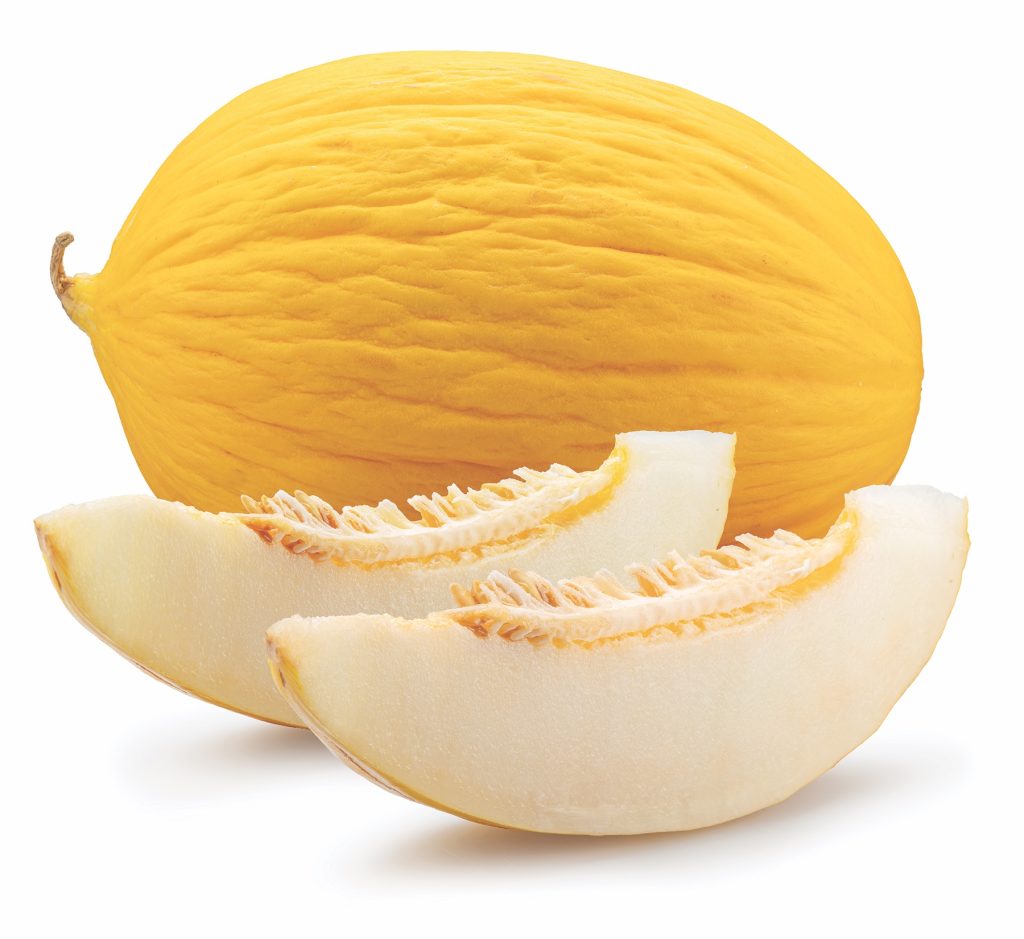
In the way of past successes with out-of-the-ordinary veggies, Anne and I recommend planting goober peas — can you say boiled peanuts? Sea Island field peas were both a culinary and gardening success and, like peanuts, they’re great at crowding out weeds as a ground cover. Another import from Spain is the Canary melon. Oval and yellow, it has a creamy texture, with a sweet, slightly musky taste. We’ve also had great success with purple green beans, which garnered comments from our neighbors, such as “Well, I never.”
In the “Don’t Plant” category, we would list heritage okra, the seeds of which we got from Old Salem, but which had the texture of a canine chew toy. Not even our dog would eat it. Malabar spinach goes gangbusters, is hearty and resists pests, but maybe that’s because of its taste, which reminded me of various inedible plants I tried as a kid. Jerusalem artichokes are fun, but be careful. Yes, you can eat them like potatoes, but they are definitely a moveable feast; and, if you let them, they’ll take over your entire garden. I should add to our long list of flops — celeriac, which we tried again and again, but never got beyond seedlings. Parsnips, kohlrabi and rutabagas have all fizzled for us, but maybe that’s the weather, our soil or the Sage Gardener’s lack of sagacity. We’ve always wanted to grow rhubarb, but decided not to after a yankee in our community garden repeatedly tried with limited success.
On my personal gardener’s bucket list? Dragon fruit. Also corn smut, which only visited my corn once, but I didn’t get around to cooking it before it grew so smutty it looked X-rated. I’ve also dreamed of growing the vaunted corpse flower. And while we’re on the subject of mutability, how about a century plant, which is monocarpic, meaning it only flowers at the very end of its long life, which is more like 10–30 years rather than 100. Granted, at 78, what are the odds of my seeing it bloom? But nothing ventured, nothing grown. — David Claude Bailey

Window on the Past
Born and raised in Greensboro, Olympic speed skating champion Joey Cheek is seen here celebrating his 2006 Winter Olympic gold medal win at a luncheon held that March at the Greensboro Coliseum. Cheek, who had trained for this moment since he was a child and had won three bronze medals prior, skated his way into history and, this year, marks the 20th anniversary of his victory.

Just One Thing
“So, I got out there that first day and took a bunch of pictures and was going like, ‘Whoa, there it is. I can see it.’” David Brown, a photographer native to Greensboro, talks about his experience with switching from film photography to digital photography, which produced this landscape photograph he titled The Red Barn. “I packed up all my 4×5 cameras, my film cameras and my Nikon digital and headed out,” he said. Brown, an avid fan of scenic landscapes, thought it’d be a great idea to start shooting them, which gave him the idea to haul his gear to the northernmost portion of the U.S. “I went up to Minnesota, then across the Northern Plains and then down to the Rockies and down to the Southwest, Arizona and all the rest of it.” Now, if you ask Brown where in the eastern slope of the Rockies he was when he captured this scene, he wouldn’t be able to tell you. But, what he could tell you is that switching to digital cameras changed the way he viewed photography forever. Getting to experience the Northern High Plains was just the icing on top. This photo and more of Brown’s work will be premiered at the Revolution Mill’s Central Gallery, Jan. 2–March 27, with a reception from 5–7 p.m., Saturday, Jan. 17. “That’s the whole genesis of the Central Gallery thing, I was cranking these things out. It was saving my sanity at a time of social turmoil and gave me something to focus on, no pun intended.” — Joi Floyd

Unsolicited Advice
While you create your New Year’s resolutions and start to consider which habits should stay and which should go, don’t forget to add hot tea instead of coffee to the list. Overrated and overconsumed, coffee is out and a fresh cuppa is in. This year, we’re rewinding the times and replacing coffee breath with health benefits, such as lower blood pressure and easier digestion. There’s nothing like waking up early in the morning, slowly sipping your steaming Earl Grey before crying kids, unpacked lunch boxes and the school bus that you’ve almost missed four times this year jolt you awake. But this new habit? You’ve got it in the bag — and here are just a few of its benefits.
Oolong (Wūlóng) Tea: Aside from the fact that the name is fun to say — and not to be confused with Wu-Tang — this tea flaunts strong antioxidant properties. You’re sure to beat any cold that comes fighting your way, hence the Wu-Tang confusion.
Green Tea: Whether you prefer it brewed hot or ice cold, green tea is a great swap for that, er, steep matcha. With lower calories and caffeine concentration, it’ll leave those matcha mavens green with envy.
Herbal Tea: If you’re tired of having that heavy, bloated feeling every time you eat breakfast, this may be the tea for you as it aids digestion. It also comes in more flavor varieties than December’s candy canes, including peppermint. But, sorry, not including Skittles.
Masala Chai Tea: With a black tea base, masala chai tea improves heart health while serving up warmer, spicier vibes than a gingerbread latte. You know what they say — a cup of masala chai tea a day, keeps the coffee breath away!
A Perfect Obituary
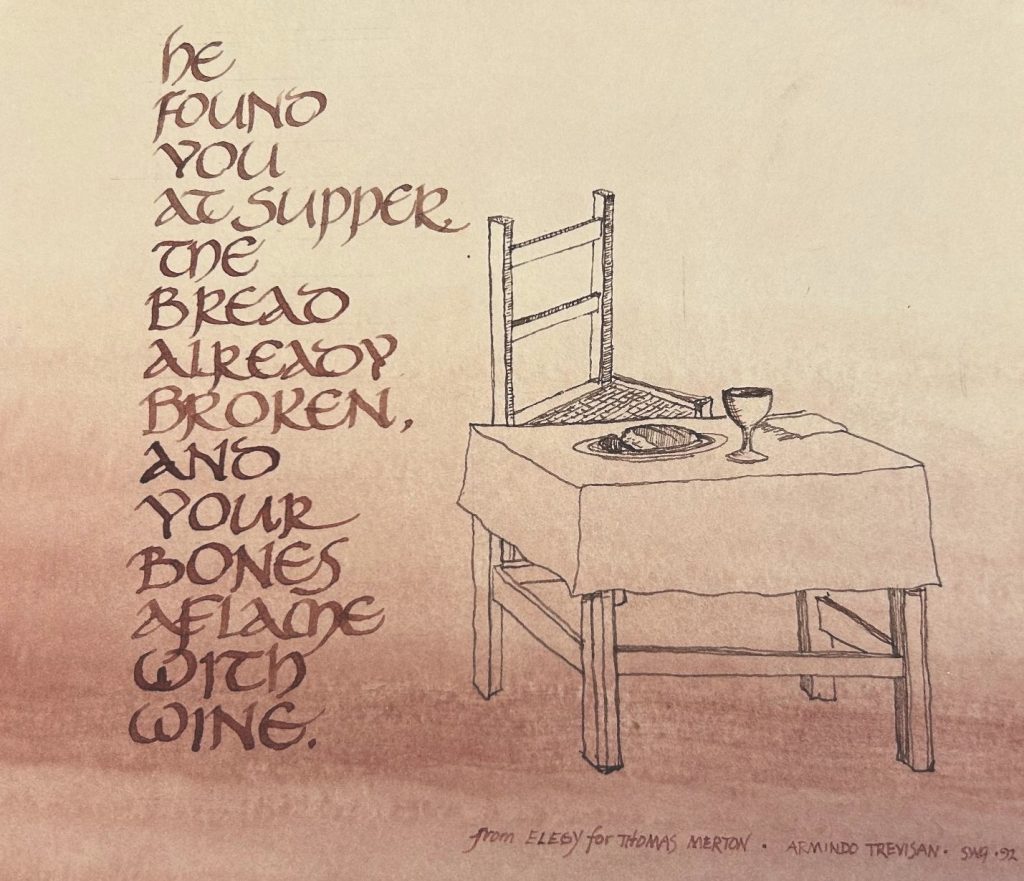
Several years ago, following the tragic death of Thomas Merton, I experienced what seemed to me to be a perfect obituary. I was reading Armindo Trevisan’s poem, Elegy for Thomas Merton, and one line brought me to a great pause: “He found you at supper, the bread already broken and your bones aflame with wine.”
Merton was a monk and mystic, well known through his books, other writings and stories from his life at a Trappist monastery, Abbey of Our Lady of Gethsemani, in Kentucky. Trevisan, a Brazilian theologian and poet, must have read deeply Merton’s writings.
It is Trevisan’s profound affirmation of Merton’s eucharistic life that continues to grip me. I wonder if Merton experienced an epiphanic moment in his life like I did as a 16-year-old attending a Maundy Thursday service at St. Stephen’s Episcopal Church in Richmond, Virginia. I suspect that is when my yearning for eucharist in my spiritual journey took root. For several years now, weekly Wednesday evenings receiving the consecrated elements of bread and wine in All Saints Chapel at Holy Trinity Episcopal Church’s Stillpoint service has nourished that eucharistic hunger. I do not want to be anyplace else.
Those 15 words, beginning with “He found you at supper,” that brought me to a gasp propelled me to my dear friend, Sally Gant, who often used her talent as a calligrapher to take words that set my heart soaring and craft them into an even greater thing of beauty. I have a file full of them! One day when I join Merton and Trevisan in that great cloud of witnesses who watch us run our race, we will share the joy that Sally’s artwork brought us.
— David C. Partington