
Omnivorous Reader
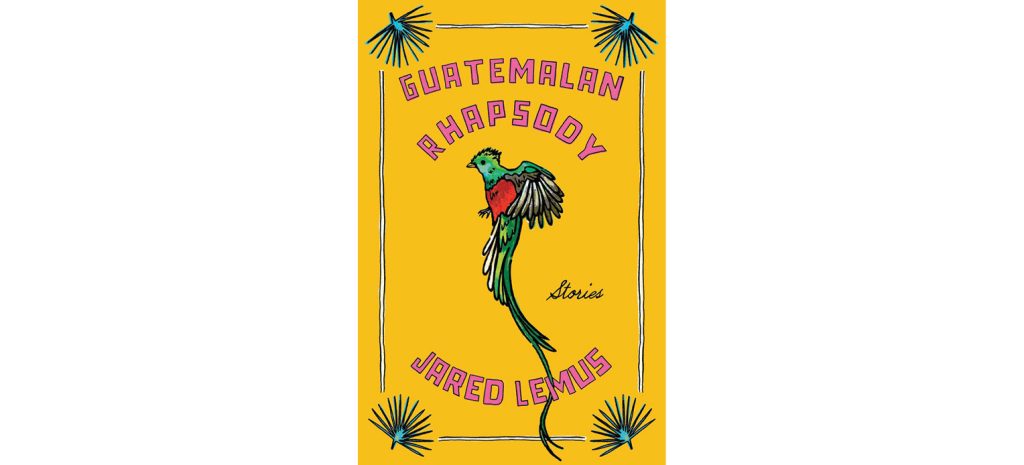
Against All Odds
Characters living on life’s edge
By Anne Blythe
If you’ve ever felt caught in one of life’s undertows, fighting overwhelming currents seemingly beyond your control, you might find a kindred spirit among the cast of characters in Jared Lemus’ debut short story collection, Guatemalan Rhapsody.
Lemus, a Kenan Visiting Writer at UNC-Chapel Hill, has compiled 12 vignettes portraying men and boys living in Guatemala or the United States. The protagonists are barely making ends meet, either caught in low-paying jobs or living on society’s edges through illicit means. Many of them are struggling to break free from generational poverty, Byzantine bureaucracy and emotional vulnerabilities.
The ache of unfulfilled possibility unites these principal characters — a healer, a van taxi driver, a long-haul trucker, a night busman, an aspiring tattoo artist, a laundryman, a builder, a once-celebrated soccer player turned middling middle school coach, teenage highway robbers and kids left to fend for themselves in this country after their parents were deported or returned home to Guatemala.
There is a machismo and toughness that permeates these protagonists that rarely masks their underlying vulnerability and tenderness. There are females in their orbit, but few are as fleshed out as the central male figures. The women often provide the unvarnished truth with warmhearted mercy.
Lemus shows a flair for different writing styles throughout the collection. In the opening story, “Ofrendas,” he gives readers a taste of Guatemalan pacing and dialogue, using Spanish-style inverted opening and closing marks throughout the lyrical English. The story kicks off the collection with a nod toward indigenous Guatemala and the Mayan tradition of people bringing cigarettes, candies, flowers, alcohol and monetary offerings in search of relief or protection from San Simon, a saint known to be a trickster representing both light and dark. In this story of second chance seekers and human sacrifice, you can almost feel the fires crackling as the healers greet the petitioners at the pits they’ve built and hear the owls hooting their ominous calls in the highlands beyond the gated monastery.
In “Bus Stop Baby,” a story about a busboy/dishwasher who rides a bus all night for warmth because the damp mattress he rented was in an unheated garage attached to a house filled with cocaine addicts, Lemus gives readers a chance to choose their own adventure mapped out in two columns, Option A or Option B.
There’s traditional storytelling, too, always with vivid descriptions. In “Heart Sleeves,” a story of an aspiring tattoo artist seemingly “opting for weed and heartbreak” over fulfilled potential, you can almost hear the bee-like buzz of the tattoo guns.
In “Saint Dismas,” a story of amateur highway robbers scheming for food and motel money, your fists might clench in pain as Lemus describes the rope-burned hands of the teens posing as construction workers whose plans went awry when a car sped through the thick cord they stretched across a Guatemalan road to force passersby to stop.
While it might sound like Guatemalan Rhapsody is all doom and gloom, there is wit and light humor amid the darkness. The collection is a true rhapsody, made up of many different riffs on stories of people swimming against the tide, striving for validation, love and survival.
The most pleasurable note among the variations is how Lemus treats his protagonists with dignity and compassion, traits that could go a long way in the world today. OH
Anne Blythe has been a reporter in North Carolina for more than three decades covering city halls, higher education, the courts, crime, hurricanes, ice storms, droughts, floods, college sports, health care and the many wonderful characters who make this state such an interesting place.