May 2019 Almanac

By Ash Alder

The soft thud of a magnolia blossom crashing down upon the tender earth takes me back . . .

Rope hammock swing.

Soft light filtering through smooth green leaves.

Love notes tied with twine to sweeping branches.

We both knew it would not last. And yet we had our glorious season.

Life is like that. Fleeting as a fragrant white flower. And as May blossoms burst forth in jubilant splendor, we cherish the transient, intoxicating beauty of spring, and relearn the sacred dance of loving and letting go.

May is the beginning and the end.

On the bookshelf, Aldo Leopold’s A Sand County Almanac hasn’t been opened since the crash-landing of yet another bygone romance that died on Easter weekend, years ago now.

January, February, March, April.

Four cozy months of essays read aloud in bed, yet if we took any morsel of wisdom from Leopold’s poetic reflections of the natural world, it was this: Life is an endless dance of change.

This morning, I take the book to the front porch, turning to the dog-eared page of May — a fresh new chapter.

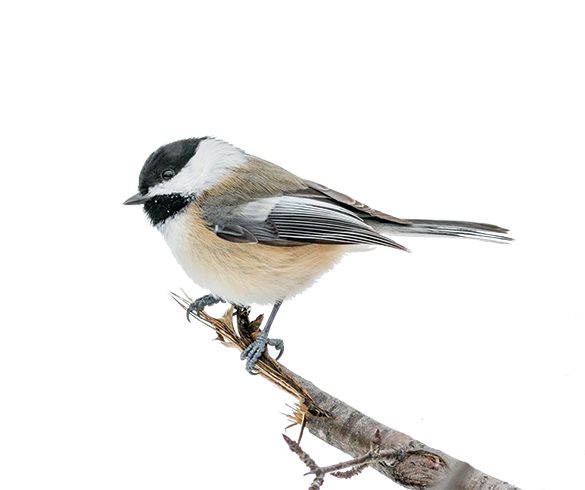
As a black-capped chickadee draws quick sips from the nearby birdbath, I read about the return of the upland plover, what Leopold refers to as the “final proof of spring” in rural Wisconsin.

Here, the final proof of spring is gone. We have landed on the fresh new chapter of May, a glorious season of its own.

Children are the anchors that hold a mother to life. — Sophocles

Cinco de Mayo

Mark your calendar. The Eta Aquarid Shower peaks just before dawn on Sunday, May 5. You could witness 10—40 meteors per hour. Not exactly the return of Halley’s comet, but it’s a chance to catch a glimpse of the famous comet’s debris. Find yourself a soft spot on the lawn. Breathe in the aroma of Southern magnolia. Enjoy the show.

The Mother’s Moon

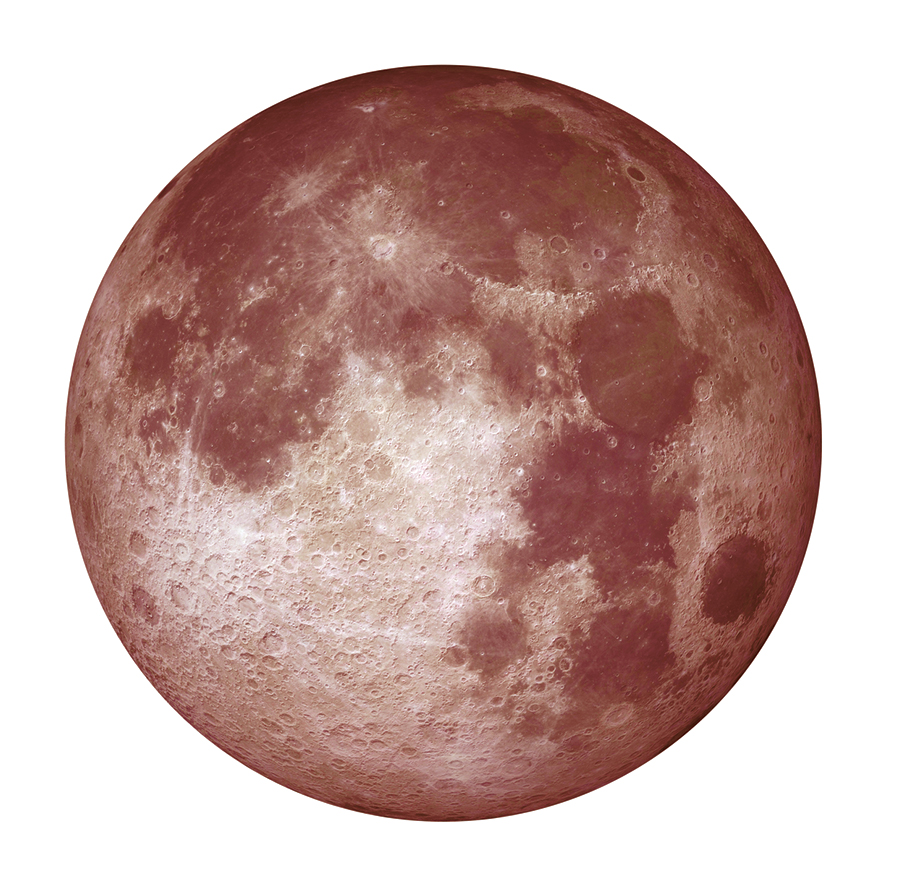
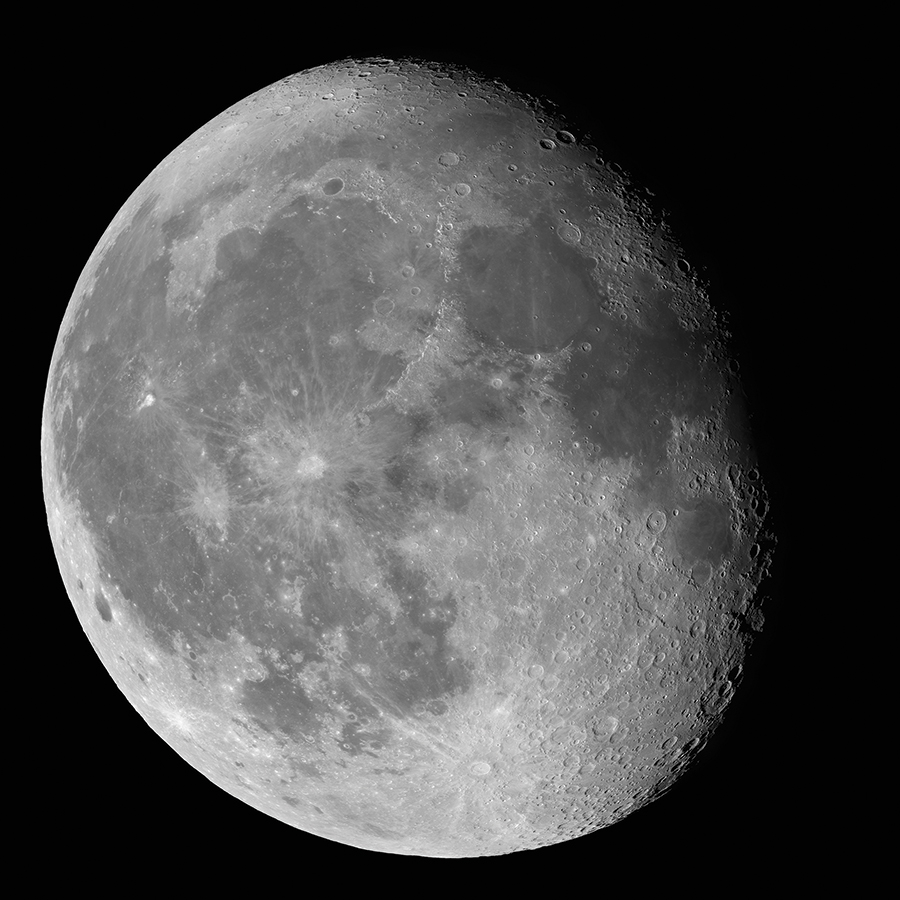
The Full Flower Moon rises on Saturday, May 18. Also called Mother’s Moon, Milk Moon and Corn Planting Moon, this month’s moon illuminates red fox pups, fluffy cygnets, and wildflowers everywhere.

Speaking of lunar magic, The Old Farmer’s Almanac looks at the positions and phases of the moon to determine the “best days” for various activities. This month, the best days for planting aboveground crops are May 8 and 9 (plan now for July sweet corn on the grill). Plant belowground crops May 26.

Cut hay May 1–3.

Prune May 10–11 to encourage new growth.

Can, pickle, or make sauerkraut on May 26.


’Tis like the birthday of the world,

When earth was born in bloom;

The light is made of many dyes,

The air is all perfume;

There’s crimson buds, and white and blue,

The very rainbow showers

Have turned to blossoms where they fell,

And sown the earth with flowers.

      — Thomas Hood

Gifts for Mama

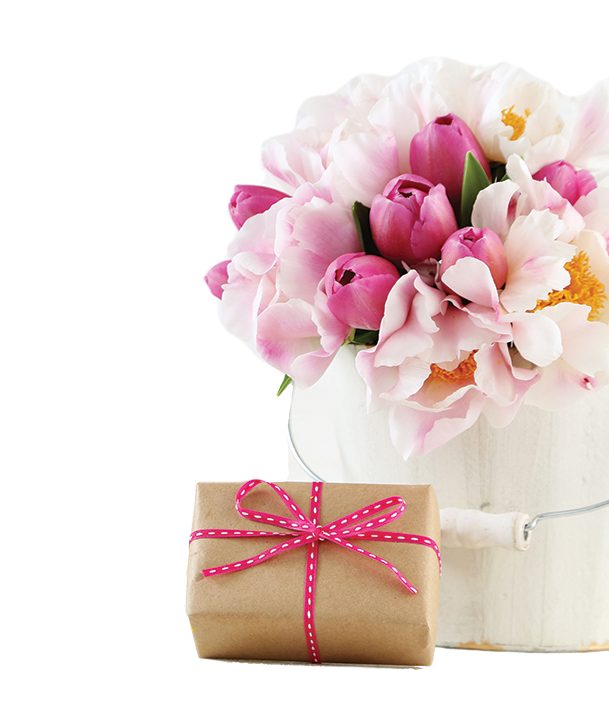
Mother’s Day falls on Sunday, May 12. I think of my fourth-grade teacher, who asked us to bring in one of our mother’s high heels. Yes, just one. We spray-painted it gold, lined the inside with floral foam, and proudly stuck a dozen plastic flowers inside. Happy Mother’s Day to all. May you walk in beauty.

Here are a few seeds of inspiration for the beloved mother figure in your life:

• Daylily bulbs

• Mexican tarragon for the herb garden

• Azaleas

• Ornamental pepper

• Wax begonia

• A new pair of shiny gold shoes

April Almanac

April is a procession of wonder.

Flowering redbud. Rising asparagus. Row after row of tulips and daffodils.

When the earliest strawberries arrive, childhood memories of roadside stands and pick-your-own patches follow. The first time your grandma took you strawberry picking, you’d never seen berries so plump or vivid. Two, three, four buckets later, you’re back in the car, eyes twinkling, belly full of fruit made sweeter because you picked it.

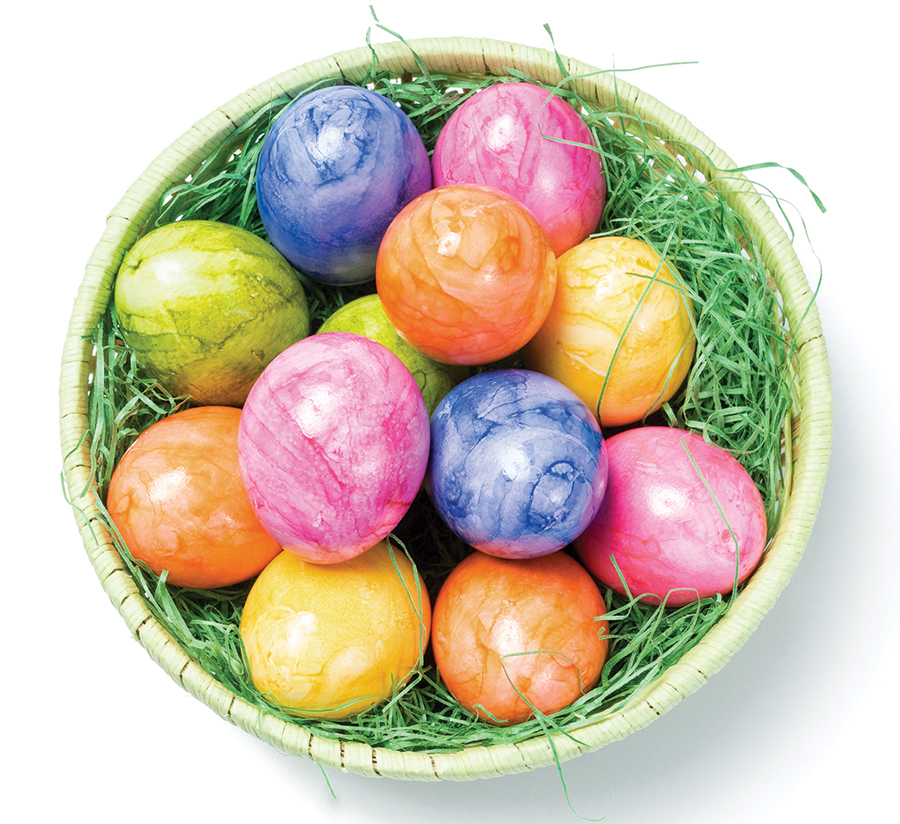
Easter conjures memories of Sunday hats and wicker baskets, and a grade-school field trip to a house down the street from the church. There, a classmate’s yard is dotted with dozens of colorful eggs — some painted, some plastic, all filled with candy — but all hearts are set on the coveted silver one, a super-sized treasure found in the low branches of a climbing tree when the sun hits the foil just right.

Maybe next year.

Or perhaps the true magic is discovering what you aren’t trying to find, like the robin’s nest in one of the hanging baskets.

In my early 20s (read, coin laundry days), on a visit home for Easter, my folks planted a basketful of plastic eggs in the backyard, each one filled with quarters.

Sometimes the great surprise is the wonder that grows with age.

The Last Frost

The Old Farmer’s Almanac speculates that a full moon in April brings frost. Cue the Full Pink Moon on Good Friday, April 19. While it’s not actually pink, Algonquin tribes likely named this month’s full moon for the wild ground phlox that blooms with the arrival of spring.

Consider it a signal that it’s time to plan your summer garden.

Plant now, and enjoy fresh tomatoes and cukes right off the vine.

Scope It Out

According to National Geographic, one of the top sky-watching events of the year will occur on Tuesday, April 23. On this dreamy spring morning, at dawn, watch as the waning gibbous moon approaches brilliant Jupiter as if they were forbidden lovers. Use binoculars if you’ve got them.

Devilish Alternative

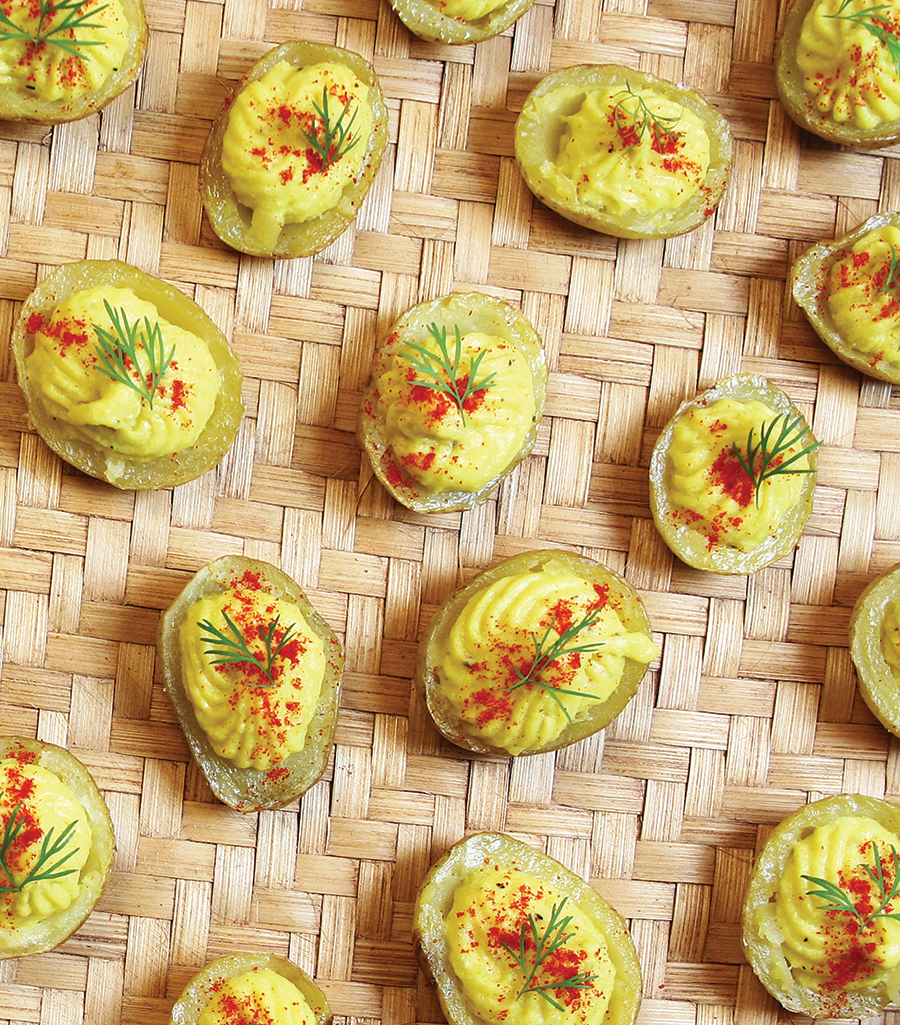
My younger brother has single-handedly cleared a tray of deviled eggs at more than one Easter supper. That’s why I was particularly stunned when he told me that he was adapting a vegan diet. No more deviled eggs? Well, not exactly. But when he told me about Thug Kitchen, a vegan cookbook peppered with language that would make our granny’s draw drop, I understood. Inside: a recipe for deviled chick-pea bites. Although we can’t print that here without heavy-handed edits, check out this equally scrumptious vegan recipe from Whole Foods Market: tender roasted baby potatoes topped with spicy yolk-free filling. Brother approved.

Deviled Potatoes

Ingredients:

12 baby potatoes (about 1 1/4 pounds)

2 teaspoons extra-virgin olive oil

1/2 cup vegan mayonnaise

1/3 cup drained silken tofu

1 tablespoon Dijon mustard

1 teaspoon sweet paprika

1 teaspoon turmeric

1/2 teaspoon coarse sea salt

1/4 teaspoon ground black pepper

Method:

Preheat the oven to 350°F. Line a baking sheet with parchment paper.

Cut each potato in half crosswise. In a large bowl, toss potatoes with oil and place cut-side down on the prepared baking sheet. Roast until tender when pierced with a knife, about 30 minutes. Let cool.

Using a melon baller, scoop out center of each potato half. Combine potato flesh, mayonnaise, tofu, mustard, paprika, turmeric, salt and pepper in a food processor and pulse just until smooth. Scoop filling into potato halves. Refrigerate for at least 30 minutes (and up to 2 days) before serving.

(Want to take this deviled egg alternative to the next level? Sprinkle with finely chopped fresh parsley before serving.)

If Spring came but once in a century, instead of once a year, or burst forth with the sound of an earthquake, and not in silence, what wonder and expectation there would be in all hearts to behold the miraculous change!  — Henry Wadsworth Longfellow

March Almanac 2019

“And here is the serpent again,” wrote the late poet Mary Oliver, “dragging himself out from his nest of darkness . . . looking for the sun.”

Three decades after she wrote it, Oliver’s “Spring” slides into consciousness. Oh, how you’ve missed these sunny mornings. As soft light filters through the kitchen window, you think of the snake, moving “like oil” over pine needles, tasting the air with its tongue.

March is here, and as an owl cries out from its distant nest, you taste the glorious poetry of spring.

Pink blossoms against leafless branches on the saucer magnolia.

Pink squirrel babes, blind and wriggling in their drey.

Pink rain jacket left hanging on the porch, pocket full of pine straw, blue bird flitting in and out of periphery. 

This year, the spring equinox arrives on March 20, in tandem with World Poetry Day on March 21.

Fitting.

And as you gently scoop the contents from your jacket pocket — a beautiful tapestry of needles and grasses — you think again of Mary Oliver, and of the delicate treasures she wove with nature and light.

Thank you, blue bird, for starting over.

Thank you, black snake, winding round the rising grass.

Thank you, poet within each of us, for acknowledging the beauty that is always waiting for us, like sunlight after a long, dark winter.

Hello, sun in my face. Hello you who made the morning and spread it over the fields . . . Watch, now, how I start the day in happiness, in kindness. Mary Oliver

Nature’s Bard

In honor of the beloved and recently departed best-selling poet Mary Oliver, who made tangible the heart-breaking beauty of the natural world, and World Poetry Day on March 21, below is an excerpt from “When Death Comes,” in which the poet “considers eternity as another possibility.”

When it’s over, I want to say: all my life
I was a bride married to amazement.
I was the bridegroom, taking the world into my arms.

When it’s over, I don’t want to wonder
if I have made of my life something particular, and real.

I don’t want to find myself sighing and frightened,

or full of argument.

I don’t want to end up simply having visited this world.

Thank you, dear poet, for taking such transient beauty into your arms. And for those considering eternity: Oliver’s “Such Singing in the Wild Branches” is good medicine.

Amethyst Falls

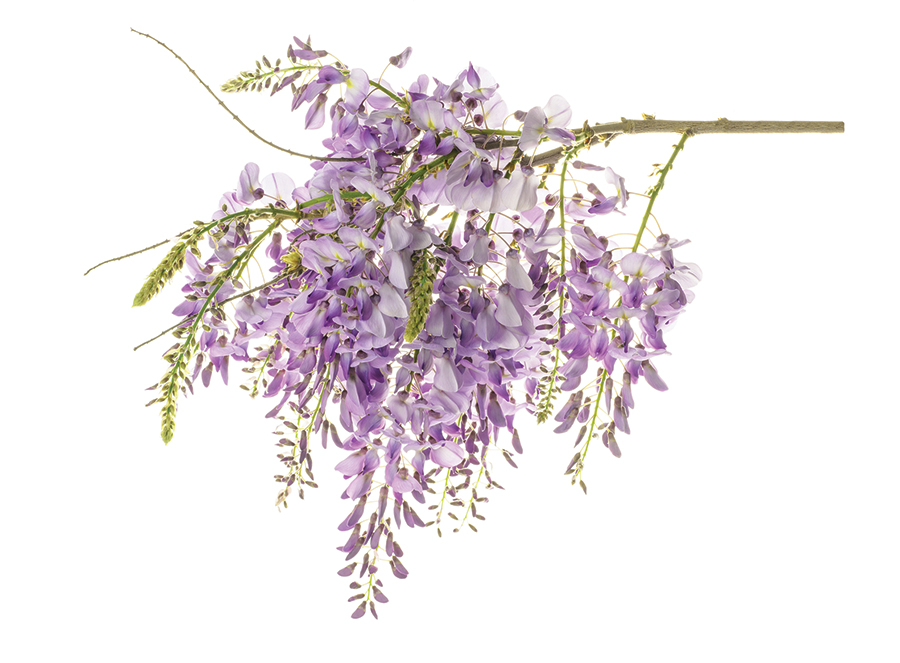
I once heard someone dub wisteria the “evil overlord of the plant kingdom” and, for better or worse, have never been able to shake it. If ever you’ve battled with wisteria in your backyard, perhaps you’ve given it a comparable name. But if you’re still reading this . . . if ever you’ve wished to make friends with this intoxicatingly fragrant vine, consider introducing a native cultivar, amethyst falls.

Less aggressive than its exotic Asian relatives known for choking out trees and, yep, swallowing houses, amethyst falls blooms on new growth, making the vines easier to prune back and train. Although the leaves and cascading purple flowers are smaller than the common wisteria you may have given a less-than-kind name, an established amethyst falls plant can climb 15–20 feet per season.

Bonus points: It’s drought tolerant and deer resistant.

March Garden To-Do

Replace winter mulch

Sharpen dull mower blades

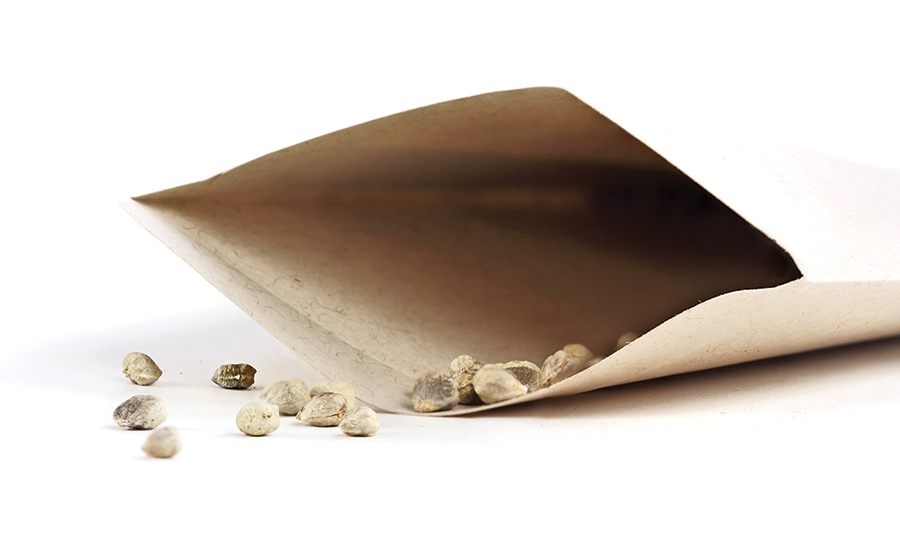
Sow seeds for spinach, radishes, turnips, and kale

Stop and smell the flowering redbud and dogwood.

February Almanac 2019

Spring violets follow snow; the daffodils push through it.

Whoever grumbles curses at this cold month need only witness an explosion of February Gold, the early bloomer that utterly beams with exaltation.

We thaw from the inside out.

In the garden, wren and titmouse sing out from bare branches, and something within you stirs. You put on the kettle, light a candle, phone a friend you didn’t know could use the extra warmth.

Come over, you say, reaching for an extra mug. 

Some days, just as the daffodils push through snow, your kindness is the February Gold that lights up the world.

Say It in Flowers (or Spoons)

This and every month, red roses say I love you. But if you’re looking to dazzle your sweetheart with something different this Valentine’s Day, here are a few customs from around the world:

Exchange pressed snowdrops (Denmark).

Pin the name of your one true love on your shirtsleeve (South Africa).

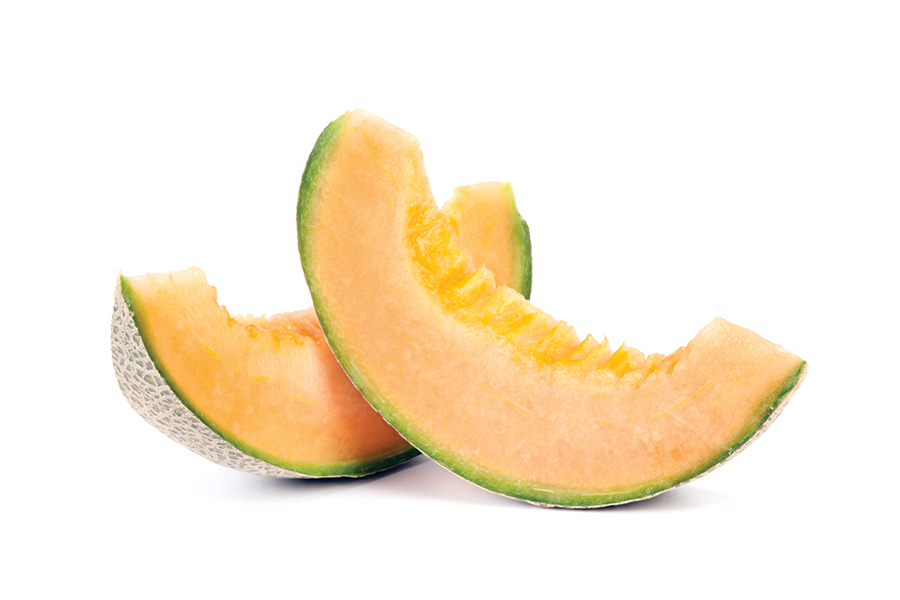
Offer carved melons and fruit (China).

Although the Welsh celebrate their patron saint of lovers on Jan. 25, this gift might take the cake: the love spoon. Carved with intricate patterns and symbols, these wooden spoons have been given as tokens of affection for centuries.

Let us love winter, for it is the spring of genius. — Pietro Aretino

This Little Piggy

Tuesday, Feb. 5, marks the celebration of the Chinese New Year. Cue the paper lanterns for the Year of the Pig, a year of wealth and good fortune. Also called the Spring Festival, this lunar New Year is considered a fine time to “sweep away” ill fortune and create space for your abundance to arrive. It’s also a fine time for dumplings.

Because they resemble ancient gold ingots, Chinese dumplings are made by families on New Year’s Eve for the same reasons we slow-cook black-eyed-peas and collards.

In honor of the Year of the Pig, consider trying your hand at homemade dumplings. Or, in case you missed out last month, here’s a Hoppin’ John recipe adapted from The Traveling Spoon Chef on Instagram:

Ingredients:

1 pound dried black-eyed peas

10 cups water

1 medium onion, diced

1/4 cup butter

1 ham steak, diced

1 teaspoon liquid smoke

1 teaspoon salt

1 teaspoon pepper

1 bunch chopped kale (optional)

1-2 cups cooked rice (optional)

Directions:

Soak black-eyed peas overnight in 6 cups of salted water. Rinse and drain well. In a large pot, sauté onion in butter until tender. Next, add one diced ham steak (optional), 4 cups water, liquid smoke, salt and pepper. Add drained black-eyed peas to the pot, cover, and let simmer for 4 hours, stirring occasionally. If desired, stir in kale and rice just before serving. And a pinch of extra luck.

“Save some leftovers for the following day,” says the chef, and call it “Skippin’ Jenny.”

There is a privacy about winter which no other season gives you . . . Only in winter can you have longer, quiet stretches when you can savor belonging to yourself. Ruth Stout, How to Have a Green Thumb without an Aching Back

The Garden To-Do

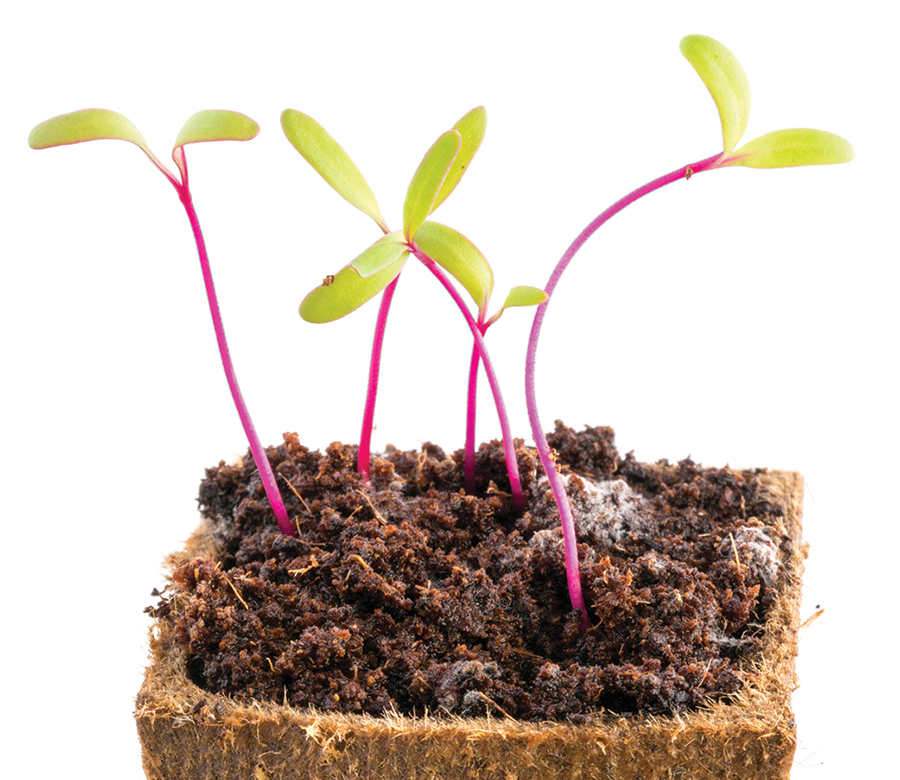
This month, plant your greens, Brussels, peas and beets. Turnips and radishes. Broccoli and carrots. Asparagus. And Irish potatoes, three inches deep.