Almanac

June holds nothing back. Dripping with decadence, she drapes her frills and trimmings across limbs, stems and wild earth. She isn’t afraid to take up space, nor is she afraid to ask for more.

More beauty. More bramble. More texture. More color.

And nothing shy of the full spectrum.

Red poppies speckle sunny meadows. Orange tiger lilies brighten the foreground. Yellow swallowtail flit hither and yon.

Green — as in every sumptuous shade of it — shoots and sweeps across the landscape.

Blue chicory dances along roadsides. Indigo buntings flicker among the woodland fringe. Violet hydrangeas sweeten the lawn. 

“More is more is more,” she says, weaving among peach and coral roses; the first stunning wave of star-shaped clematis; a swell of multicolor zinnia.

The air is an amalgam of honeysuckle, lemon balm, basil and gardenia.

More fragrance? If it’s good enough for the hummingbirds, bring it on: Rivers of feathery bee balm, cascades of trumpet creeper, explosions of flowering salvia.

Bring on the music-makers, too. The buzzers and screamers. All who twitter, chirp and croon. Listen for the rattle call of the northern flicker. The coo of the pigeon. The lusty moan of the lonely bullfrog.

In the garden, the squash plants runneth over. Green tomatoes fatten on the vine. Salad greens reach for the rising sun.

Bring on your glorious wildness, June. Your luscious too-muchness. Your sultry, voluptuous summer.

No need to hold back.


June is bustin’ out all over.     — Oscar Hammerstein II


All That Glitters

According to Smithsonian Magazine, two of this year’s most “dazzling celestial events” happen this month, beginning with the first supermoon of the year on Tuesday, June 14.

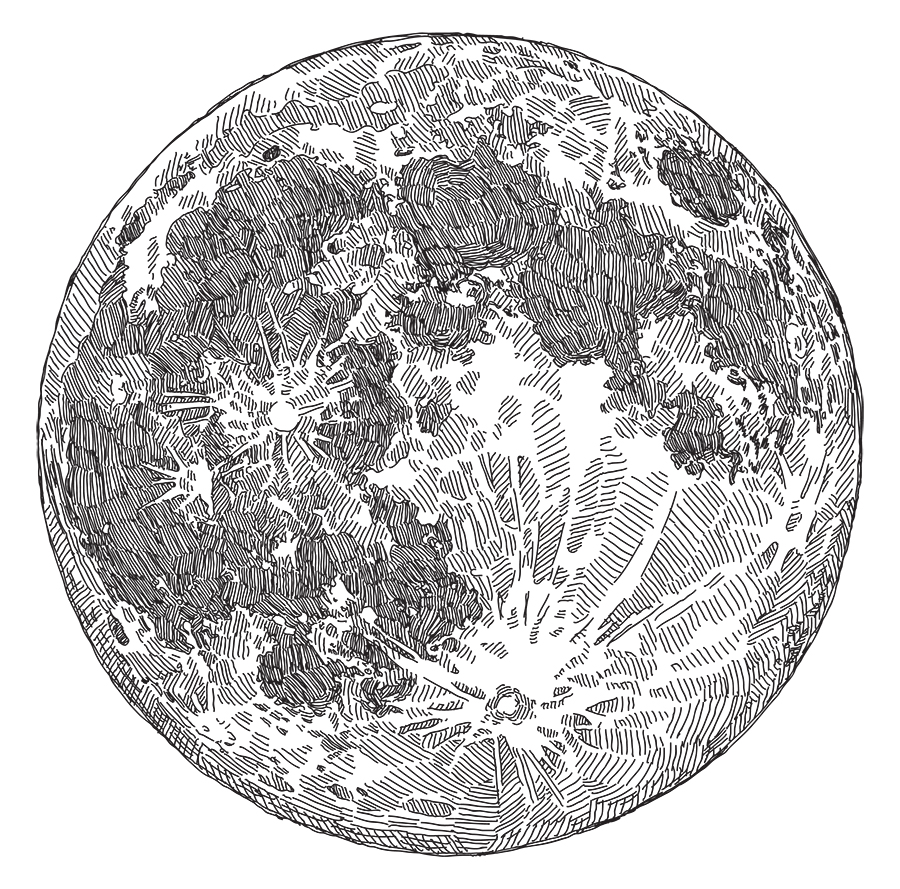
What, you ask, is a supermoon? It’s when the moon is full at its perigee (aka, closest proximity to Earth). According to NASA, a supermoon can appear up to 14 percent larger and 30 percent more luminous than a full moon at its apogee (farthest point from Earth). As if June needed one more reason for us to swoon.

Next on the don’t-miss-it docket: five planets in rare alignment from June 19–27. Make that six if you’ve got a telescope and minimal light pollution. Just before sunrise, gaze toward the eastern sky for a chance to spot Mercury low on the horizon, then Venus (always the brightest planet), Mars, Jupiter (second brightest) and Saturn (high in the south) in a diagonal line visible to the naked eye. Those with proper optics may also spot Uranus — yep, that bright green speck — just above Venus.

Do look up. At the very least, you might catch some fireflies.


The Color Purple(ish)

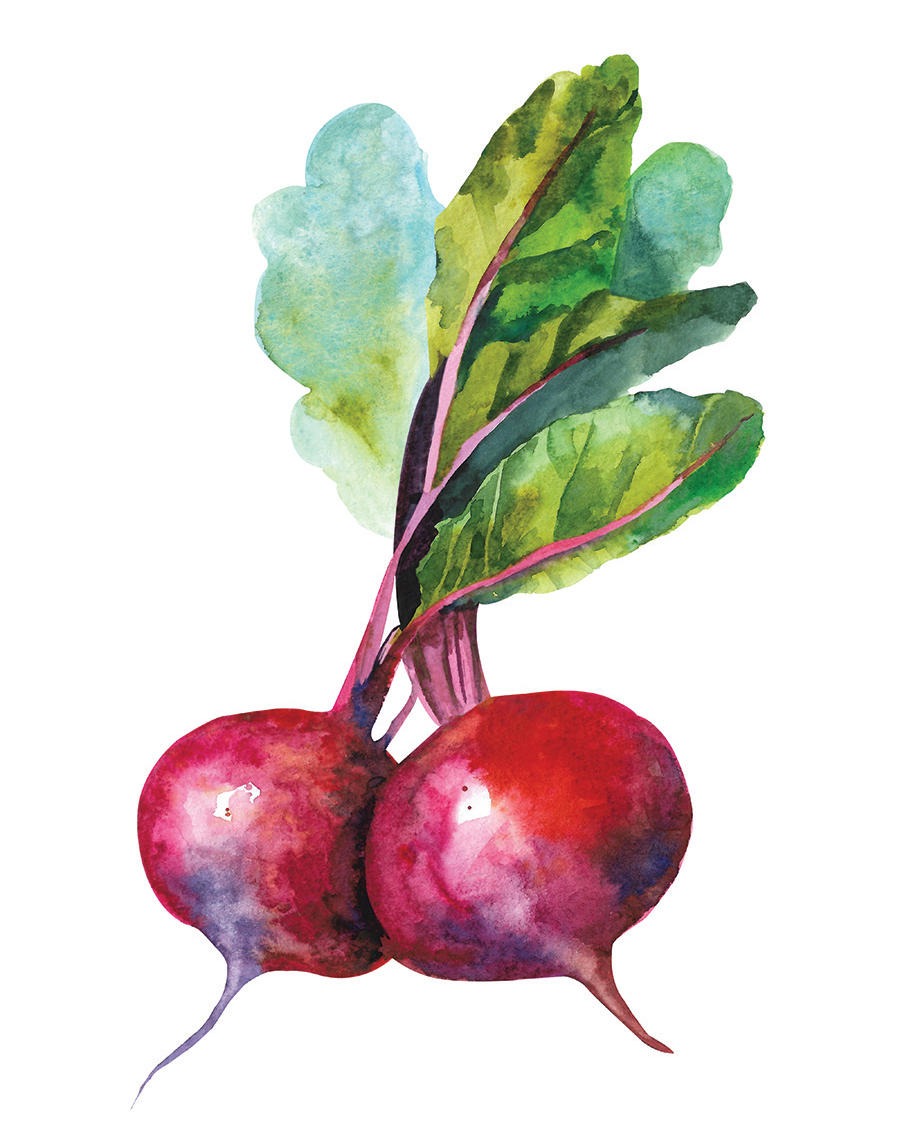
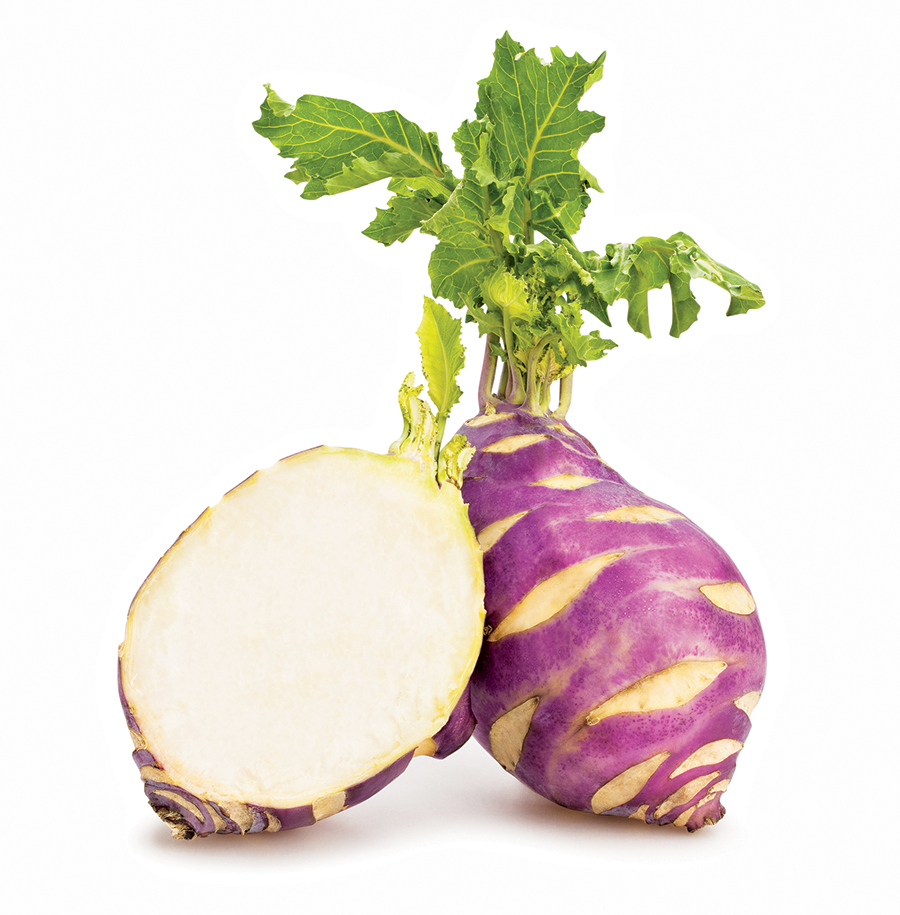
It’s beet season. If their vibrant magenta color wasn’t reason enough to love them, consider that these earthy roots are loaded with antioxidants, fiber, folic acid and potassium. Even their greens are a superfood. And nothing says summer like a cold beetroot salad.

Boil them until tender. Once cool, peel them under cold running water, then cut into 2-inch cubes.

Toss them with olive oil, orange juice, cumin, salt, fresh mint and cilantro.

Admire your stained fingers . . . and enjoy.  OH
Almanac

A flower blossoms for its own joy.

— Oscar Wilde


May is the daughter of dandelions, queen of the daisies, the giggling maiden of spring.

In a sunny meadow, where the soft grass glitters with morning dew, she is gathering wild violets, singing the blue into each petal.

One handful for candy.

Two handfuls for syrup.

A heaping third for tea.

She moves like water, stirring swallowtails and skippers as she drifts from flower to quivering flower. Constellations of buttercups manifest before her. A choir of bluebirds twitters in her wake.

Her gaze is tender. Her presence full. Everything she touches seems to blush.

The Southern magnolia offers its first fragrant blossom.

The tulip poplar blooms in boundless rapture.

An oxeye daisy sings out: She loves me. She loves me lots. She loves me. She loves me lots.

No flower is forsaken.

A sweep of dandelion brightens beneath her feet, yellow blossoms plump as field mice. There is nothing to do but bask in the playful light of spring.

As the maiden lowers herself onto the lush and golden earth, one hundred songbirds pipe her name. The mockingbird repeats it.

May is here! May is here!

All hail the giggling maiden of spring.


Flowers for Mama

Mother’s Day is celebrated on Sunday, May 8. Not that the garden would let you forget. (Read: Bring her flowers.)

Sometimes simple is best. A sprig of dogwood. A vase of bearded iris. A single magnolia blossom.

Or get creative. Wildflower bouquets. Pressed flower notecards. Wild violet jelly. 

If she’s the “roses only” type, you know what to do.

But if your mama’s busy scratching and clawing around in her own garden, perhaps you can glove up and join her.

Prune the hedges if she’ll let you.

Since May is the month to plant summer annuals, plant them together.

In July, when her prismatic zinnias are the crowning glory of the block, she’ll surely be a happy mama still.


The Night Sky

According to Smithsonian magazine, two of this year’s most “dazzling celestial events” happen this month: a meteor shower and a lunar eclipse.

If you haven’t yet downloaded an astronomy app, consider doing so before the Eta Aquariids peak on May 5. Why? So you can locate Aquarius, the faint yet richly fabled constellation on the Eastern horizon. If conditions are favorable, and you are, in fact, gazing toward that water-like configuration of stars, then you may catch up to 20 meteors per hour beginning around 4 a.m. What you’re actually seeing? Debris from Halley’s Comet, of course.

A total lunar eclipse will paint the moon blood-red in the wee hours of Monday, May 16. The moon begins entering Earth’s shadow on Sunday, May 15, around 9:30 p.m. Totality occurs around midnight when, for 84 glorious minutes, the moon will appear to glow like a sunset. Dazzling indeed.  OH

Almanac

April

By Ashley Walshe

April is a child of wonder, lord of the mud pies, the crown prince of play.

Yesterday it rained so hard the earthworms learned to swim. Today, the peepers are peeping. The sun is out. The prince of play gathers the essentials:

Large wooden spoon? Check.

Mixing bowl and pie tins? Check, check.

Measuring cups? Don’t need them.

There’s a watering can full of rain on the back porch. Or, there was. The boy squishes across the yard, settles onto the floor of his squashy kingdom.

Mud sings as sweet as any muse. But you must know how to listen.

The boy closes his eyes, readjusts his flower crown and scoops up a wet heap of earth. He dabs a little on his face. He squelches his fingers through it. He digs into the mire with his toes.

Eureka!

This is what the mud said:

In a large mixing bowl, combine two parts squish and one part rainwater. Wriggle your toes as you stir, mixing until the first hummingbird graces the first bearded iris.

When the cottontail rabbits multiply, fold in a dash of wet grass and a fat pinch of redbud before transferring to pie tins.

As the robins pluck their breakfast from the lawn, top with generous layer of dandelion leaves.

Garnish with snakeskin, snail shells and a
dollop of wisteria.

The sun will take care of the rest.


Fairy Rings

Spring is doing what spring does best. The earth is softening, once-barren landscapes now bubbling with tender buds and blossoms. In the garden, asparagus rises like birdsong. And after it rains? Enter Marasmius oreades, aka, the fairy ring mushroom.

If ever you’ve stumbled on a near-perfect circle of these buff-colored, wavy-capped fungi, perhaps you’ve smiled at the amusing “coincidence.” Or maybe it spooked you, particularly if one popped up on your own lawn. (Note: These boomers are known to kill turf.)

Myth and folklore refer to these circles as “fairy rings.” Can’t you almost see it? A wild band of wee folk dancing among these mushroom portals?

Tempting as it may be to step inside a fairy ring, myths warn against it. Long of the short of it, those who are lured inside become captives of an unseen realm where hundreds of years can pass in a blink.

On the subject of fair warnings: The fairy ring mushroom is actually a choice edible with a sweet quality that has made its dried caps the star ingredient of more than a few macaroon and cookie recipes. (Go on, look them up.) But this innocent wildling does have a toxic lookalike. Best not to harvest unless you know for sure. And, certainly, withhold from sautéing them.

Foxglove

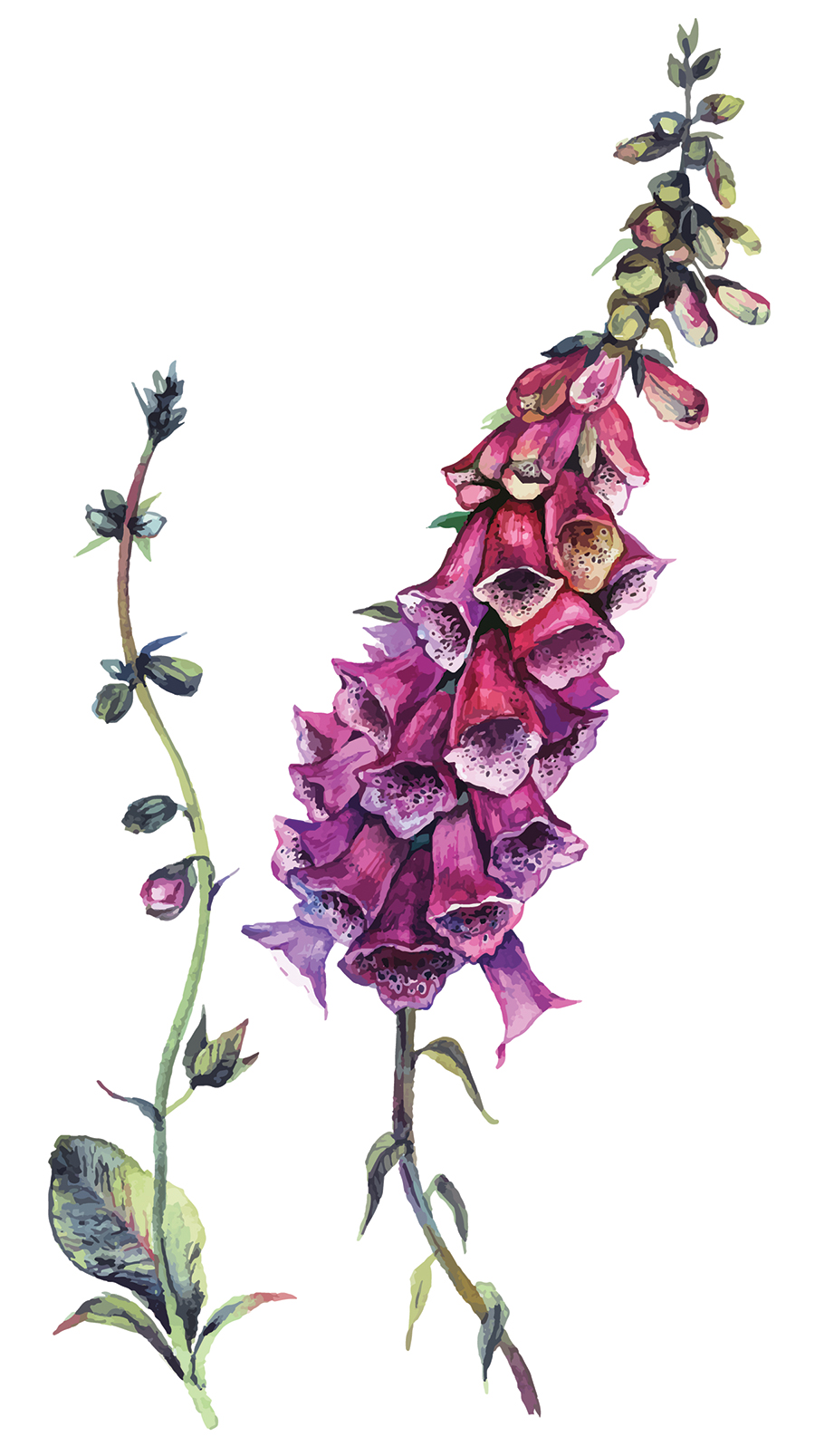
How did the pretty foxglove get its name? Etymologists have spun many theories. In 1847, William Fox Talbot proposed that “foxglove” may have derived from “folks’ glove,” especially since the Welsh called the flower maneg ellyllon, aka, “fairies’ glove.”

This much we do know: They are bumblebee magnets.

If ingested, the common foxglove (Digitalis purpurea) is highly poisonous to people and animals. In this case, looks can’t kill. But one could see why the Scottish called them “witches’ thimbles.”  OH
Almanac

March

By Ashley Walshe

March is an age-old prophecy: a great thaw followed by a riot of life and color.

Some said it would start with a single daffodil. A field of crocus. The soft warble of a bluebird.

All the signs are here. And in the bare-branched trees, where wild tangles of dead leaves resemble papier-mâché globes, newborn squirrels wriggle in their dreys, eyes closed.

Weeks ago, winter felt eternal. The cold air stung your face and fingers. The world was bleak and colorless.

Now, the red maple is blooming. Saucer magnolia, too. You build the last fire, sweep the hearth, return to the garden and its wet, fragrant earth.

Frost glistens in the morning light, but you know it’s true — that spring is coming. You know because the birds know. They cannot help but blurt it out.

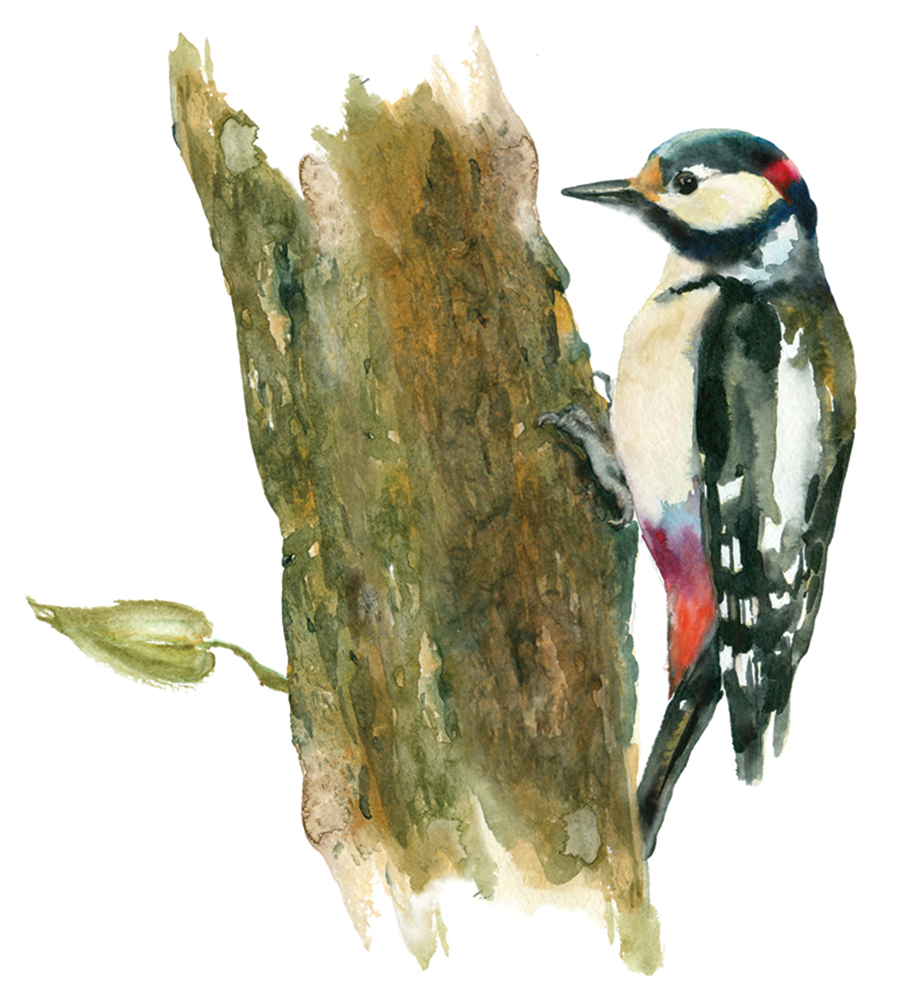
Beyond the flowering quince, a woodpecker drums on a towering pine.

A towhee gushes drink-your-tea.

A robin whistles cheerily, cheer up, cheer up, cheerily, cheer up.

Soon, spring peepers and chorus frogs will join the band. The first bee will drink from the first hyacinth flower. A young squirrel will open its eyes.

Sunlight kisses wild violets, purple dead nettle, tender young grasses. Everywhere you look, you notice a new warmth, a new softness, the gentle pulse of life. By some miracle, spring has arrived. A sweet mystery born from the icy womb of winter.

In March winter is holding back and spring is pulling forward. Something holds and something pulls inside of us too.

— Jean Hersey

A Gardener’s Luck

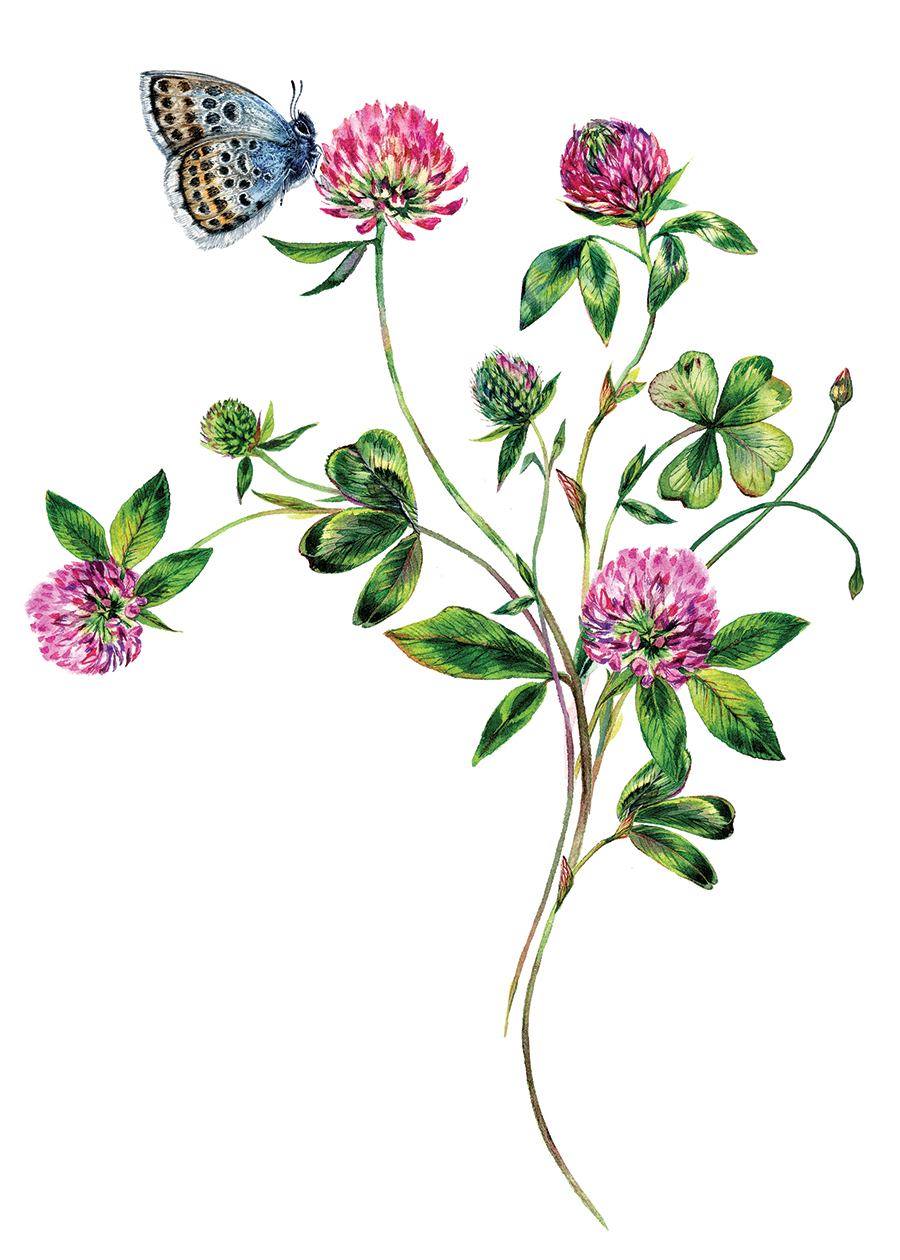
Let’s talk about three-leafed clover (genus Trifolium), a flowering herb in the legume family that just might be what your lawn or garden has been missing. Common as weeds — and often disregarded as such — clover can grow in most any climate, tolerate poor-quality soil and resist most pests and diseases. Here’s the best part: clover can “fix” spent patches of earth by restoring nitrogen levels. In other words, it’s a natural fertilizer and often is used as green manure crop.

Using clover as a ground cover between garden beds will also attract pollinators. Mix some clover with your grasses and your lawn will look greener. An added bonus: It’s impervious to dog urine. Even if you never find a four-leafer, that’s some good garden luck.

Spring Forward

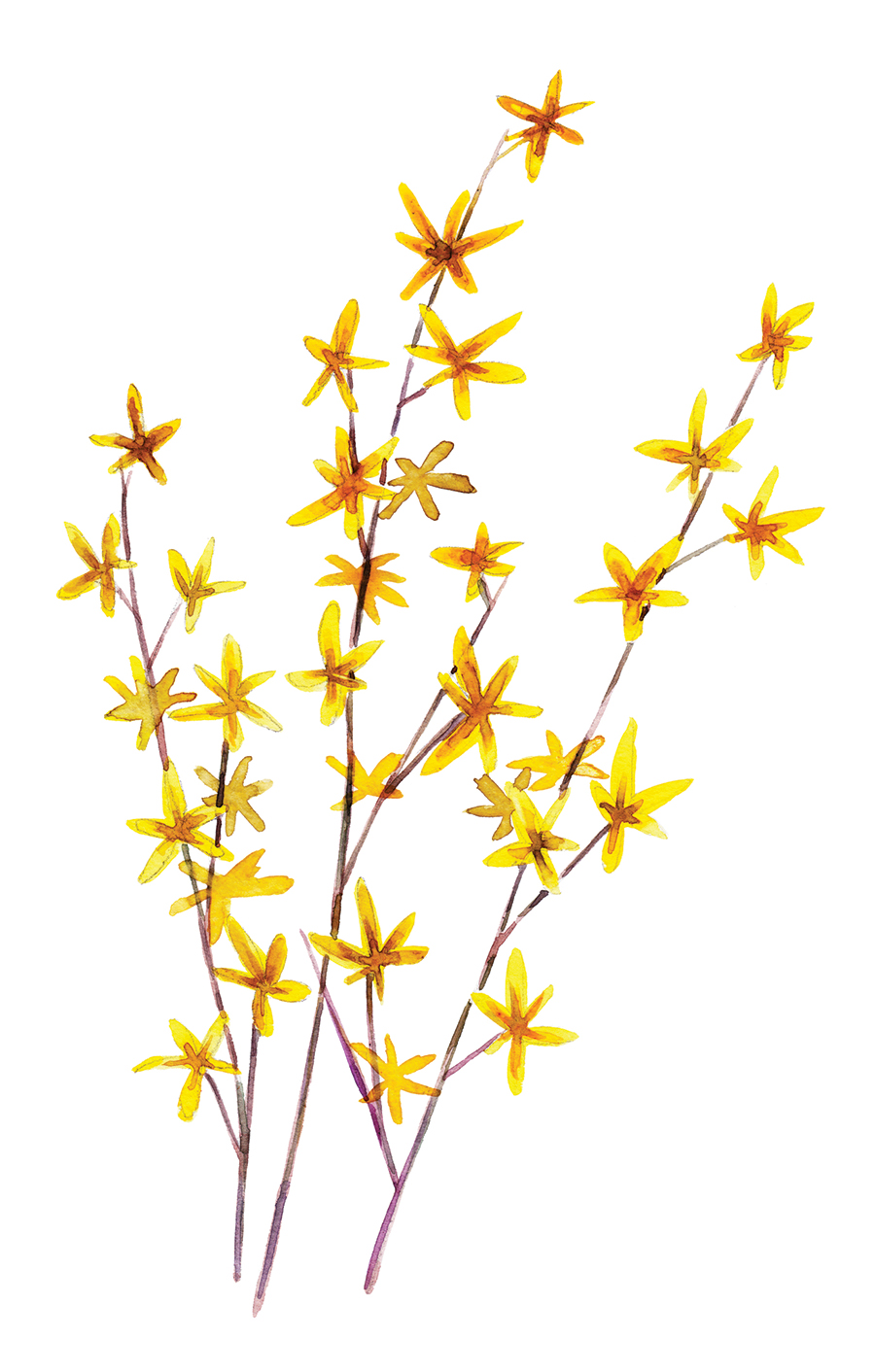
Daylight saving time begins Sunday, March 13. Longer days inspire evening walks, birding, a quiet hour in the garden. Notice what’s flowering: breath-of-spring (winter honeysuckle), brilliant yellow forsythia, lemony scented star magnolia. Notice what needs to be pruned: ahem, the rose bush. Although the vernal equinox occurs Sunday, March 20, spring has been here for weeks, present in each glorious inhalation. Allergy season? Coming soon.


Almanac

By Ashley Wahl

May is a blushing bride, lips sweet as plump strawberries, humming an ancient rhyme for luck.

Something old (snakeskin), something new (four eggs), something borrowed (birdhouse), something blue (songbird).

The second stanza starts with honeyed warbles. Tu-a-wee sings the bluebird on the pitched roof of the birdhouse. Tu-a-wee trills the bluebird at the nest.   

Verse three is the sound of movement through soft grass. In the black of night — a shadowy flash — four eggs swallowed one by one.

Lucky rat snake, with its new skin, its luscious fluidity, its bellyful of tender life.

Lucky rabbit, nibbling in the garden at dawn, bellyful of baby lettuce, salad greens, Swiss chard, snow peas.

May is a banquet, a ceremony, a celebration.

It is the vow from bee to flower, flower to bee. The sacred oath to give until there is nothing left.

And there is so much here.

An apple blossom for the maiden. Wild berries for the groom. An ancient rhyme. Sweet nectar and the tender, green promise of a full and luscious life — pleasant and bitter, in darkness and in light. 

It was such a spring day as breathes into a man an ineffable yearning, a painful sweetness, a longing that makes him stand motionless, looking at the leaves or grass, and fling out his arms to embrace he knows not what. ― John Galsworthy, The Forsyte Saga

Strawberry Fields

Behold the earliest strawberries, fat and sweet. Like love notes from summer, ripe for the picking.    

And if ever you picked them straight from the bush, perhaps you’ve noticed that they smell as scrumptious as they taste. Members of the rose family, strawberry plants are perennial. Fruit can be picked green (pickle them) or ripe (you’ll know what to do), but don’t fret if they’ve gone a bit soft. Instead, make wine —  or jam.

You won’t need much: Two pounds of fresh strawberries (mash them), four cups of white sugar and one-fourth cup of fresh lemon juice. One heavy bottomed saucepan, too.

Stir mixture over low heat until sugar dissolves, then bring to a full rolling boil, stirring often, for about 15 minutes.

Sure, you can transfer to hot sterile jars, seal and process — or save yourself the trouble. Let cool and eat right away.

The May Wreath

May takes its name from the Roman goddess Maia, midwife of plants, flowers and the riotous beauty of spring.

Speaking of flowers, it’s time to gather them.

On the first of the month, May Day, celebrate this fertile, fruitful season by fashioning a wreath of twigs and greenery. Weave in wildflowers: crab apple, dogwood, painted trillium. Add pomegranate, garlic, herbs and nettle. Hang it on your door until midsummer night.

Wreath-making is an ancient Greek custom believed to ward off evil and invite prosperity. The act itself is a sacred dance between the weaver and the natural world.

November 2020 Almanac

By Ashley Wahl

November is the sculptor and the stone — ever chiseling away, ever clarifying what has always been, gently unveiling the mystery.

Near-bare branches reveal ash-gray skies, crisp silhouettes in all directions and a panorama so clear you wonder how you never noticed what you’ve never noticed.

The veil is thin. Like trees with lungs, deer stand silent, eyes wide, ears spread like radio antennae. There is nothing and nowhere to hide. Even the last of the leaves have let go — not yet of their branches but of their need for sunlight. No more churning out chlorophyll. No more illusion of green. Only dappled yellow and mottled orange, the brilliant scarlet truth.

November is the last of the apples, zucchini bread warm from the oven and the cold sting of autumn in your eyes and bones.

In a flash, an earful of waxwing ornament the tender branches of the dogwood, pass its red berries from bill to bill like children sharing candies. You heard them before you saw them. And like a dream, the birds have vanished as suddenly as they arrived, the berries gone with them.

November guides you inward.

You are standing in the kitchen now, cradling a hot beverage until your face and fingers thaw. It doesn’t happen all at once, this softening. But sure as the final leaves descend, the grace of the season will become clear: Things fall away to reveal what matters most. And with all this space — this bare-branched view of the brilliant scarlet truth — there is gratitude.

You give thanks for what is here now, the cold sting of aliveness and the warmth within the mystery.

The wild gander leads his flock through the cool night,
Ya-honk! he says, and sounds it down to me like an invitation,
The pert may suppose it meaningless, but I listening close,
Find its purpose and place up there toward the wintry sky.
— Walt Whitman, Leaves of Grass

Turnip Eater

It’s turnip season, and if that doesn’t thrill you from tongue to root, consider the words of Pliny the Elder, who maintained that the turnip “should be spoken of immediately after corn, or the bean, at all events; for next to these two productions, there is no plant that is of more extensive use.”

In Roman times, the globular roots were hurled at unpopular public figures much in the way disappointed groundlings chucked rotting fruit at Shakespeare’s duds.

There are more practical uses, of course.

During World War I, bread and potato shortages gave birth to the “Turnip Winter” of 1916–1917. German civilians subsisted on them. And in World War II, when biscuits and mutton were scarce, guess what? The turnip was there, best in savory Lord Woolton pie, named for the Minister of Food who popularized the dish in 1940.

Turnips are low in carbs and packed with nutrients.

Roast them in butter. Mash them with sage. Pan-fry their greens with sweet onions and garlic, balancing the bitter with brown sugar, salt and apple cider vinegar.

In 2018, Tasmanian farmer Roger Bignell accidentally grew a world record-breaking turnip that weighed a whopping 18.36 kilograms (that’s over 40 pounds). Imagine unearthing that sucker, a root the size of a border collie! Not so easy to hurl.

If Charles Dickens used the word “turnip” in a novel, he was likely referring to a country bumpkin. But it’s a gift to be simple, and when life gives you turnips, you might just get creative with them.

Quiet Time

The full Beaver Moon rises on Monday, November 30. It’s time now.

The beaver retreats to its lodge, the squirrel to its drey. The bumblebee burrows underground, alone, dreaming of honey and clover.

The creatures lead the way, but we, too, turn inward.

Warm wishes and good health to you and yours this holiday season. May your hearts and cupboards be full.  OH
Almanac August 2020

By Ash Alder

Always, always everything at once, and in August you can see it.

Blackberry and bramble.

Rose and thorn. 

Honey and hive.

The sweetness and the sting.

You cannot have one without the other.

August is carefree. Bare feet. Soft grass and ant bites. Sandspurs and sweet peas. Long days and hot nights. Sweet corn and crickets. Sunburn and bee balm. Picnics and rope swings and cool, flowing water.

Cool, flowing water . . . the one true remedy for the sweltering heat of summer. 

Ankle, shin, then knee-deep in the swollen creek, where the dog fetches driftwood and the snake rests coiled on the sunny bank, time slows down. If it’s true that water retains memory, then you are standing in a pool of ancient musings — an endless, ever-flowing cycle of beginnings and endings, life and death, sweetness and sorrow.

The dog interrupts your own introspection with a playful shake — water spraying in all directions — and you admire the fullness and purity of his presence. Amid the sweetness and the sting, he’s just here, joyfully and without a care. And in this moment, so are you.

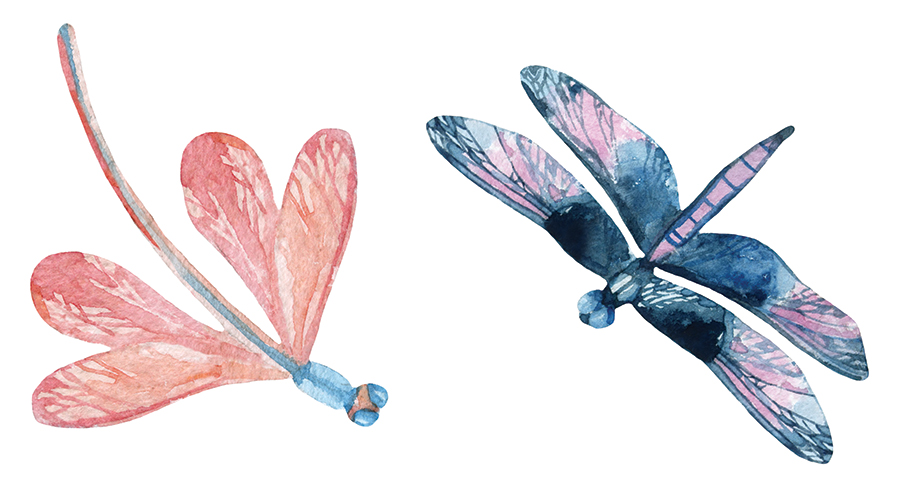
You watch as a dragonfly kisses the water’s surface, wings glittering as it circles about this summer dreamscape. Even the dragonfly bites. We forget. And yet the sting is part of it, inseparable from the beauty of the bigger picture.

Lose yourself in the bramble and remember: The sting makes the berries all the sweeter.

Thank you, beloved August. Thank you for your thorns and fruits and wild honey. Thank you for all of it.

In August, the large masses of berries, which, when in flower, had attracted many wild bees, gradually assumed their bright velvety crimson hue, and by their weight again bent down and broke their tender limbs. — Henry David Thoreau

Pickle Me This

Want to savor the summer bounty while keeping things simple? Quick-pickle it. Refrigerator pickles will keep in the fridge for several weeks. And all you’ll need is your harvest, white distilled or apple cider vinegar, canning or pickling salt (read: not table salt!), water, and any glass or plastic container with a lid.

A “Simple Pickling Recipe” from The Old Farmer’s Almanac recommends 1 1/2 pounds of homegrown cucumbers, 1 cup of vinegar, 1 1/2 tablespoons of salt, 1 cup of water, and — if you’re feeling spicy — dill or mustard seeds, peppercorns, garlic cloves (peeled and smashed), or fresh dill, mint, or basil.

Got everything? OK, here we go:

If you’re flavoring your fridge pickles with herbs or spices, add that to your glass or plastic containers first.

Next, wash produce, slice into spears or coins, then add them to the containers, leaving at least 1/2 inch of headspace up top.

Time for the brine. Combine vinegar, water, and salt in a saucepan over high heat. Bring to a rolling boil, then pour hot brine over the veggies (cover vegetables completely with liquid but leave about 1/2 inch of headspace) and cover. Allow the jars to cool on the countertop for about an hour, then add your lids and pop those future pickles into the fridge. In three days to one week (the longer you wait the better they’ll taste), give them a try.

Natural Remedies

One of the highlights of porch-sitting in the summer is hearing the sweet, unmistakable buzz of hummingbird wings moments before it swoops in for a long drink from the feeder. One of the low points: mosquitoes. They also arrive with a buzz — arguably unsweet — and the only long drink they’re coming for is you.

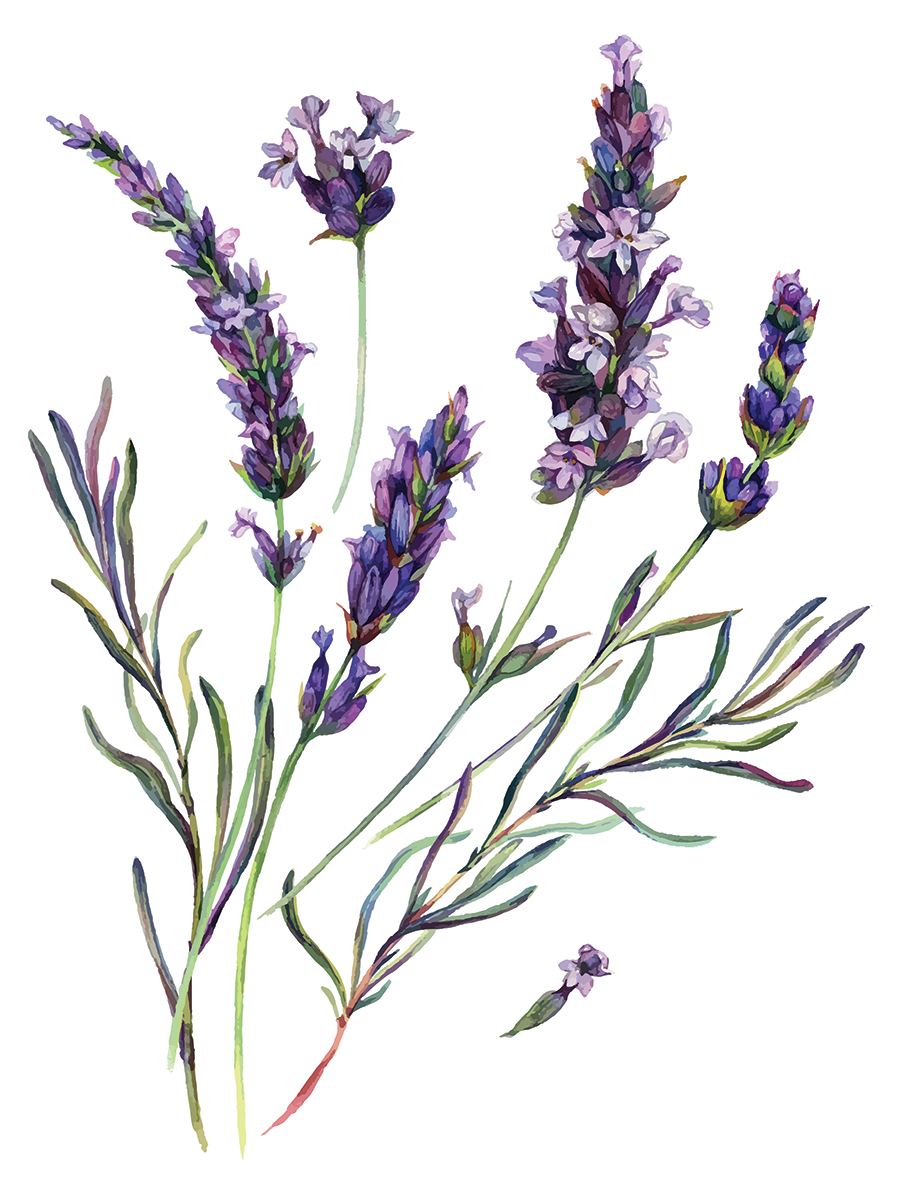
If you’re into natural mosquito repellents, you’ve likely tried citronella candles or added its oil to homemade sprays. But did you know that planting certain herbs and flowers in your garden might also help keep them at bay? Try lemon balm, marigolds, peppermint, catnip, lavender, rosemary, eucalyptus, neem, basil and thyme. Either way, you really can’t go wrong.  PS

What dreadful hot weather we have!
It keeps me in a continual state of inelegance.
— Jane Austen

February Almanac

February blossoms make the cold hard to shake.

Crocus burst open like paper fortune tellers, hellebores whisper prophesies of spring, and in the backyard, where a speckled bird is kicking up fresh mulch, winter Daphne blushes like bright-eyed maidens in faded terra-cotta planters.

All of this, yet winter feels deep-rooted, endless. As if her flowers were cruel illusion. As if your bones could be forever yoked to this chill. 

Then one day, out of nowhere, a new warmth arrives with the daffodils, a new softness beckoning you outdoors.

Beneath the bare-branched sycamore, where the picnic table has all but forgotten its name, February sunshine feels like a warm bath. You’ve brought lunch — a thermos of soup — and as the sunbeams dance across your face and skin, you feel, for the first time in months, as open as the crocus. As if winter might release you. As if hellebores were true harbingers of spring. 

Beside your thermos, a feathery caterpillar edges toward you. Did it fall from the sky? You look up toward bare branches, wonder where he came from, where he’s going, whether he’ll be the speckled bird’s lunch. He’s closer now, gliding across your idle spoon, and as you observe his wispy yellow coat, you see yourself in this tiny being and in what he might become:

Enamored by each fragrant blossom; wide open; ever-seeking the simple grace of light.

February sunshine has transformed us, encoding within us the promise of spring. We can feel it now.

The Lenten Rose

When a plant blooms in the dead of winter, it is neither ordinary nor meek. That plant is a pioneer.

Also called the “Lenten rose”, the hellebore is a beloved and shade-tolerant herbaceous or evergreen perennial — not a rose — that so happens to thrive here. Some species more than others.

Take, for example, the bear claw hellebore, which is named for its deeply cut “weeping” leaves. February through April, this herbaceous perennial displays chartreuse green flowers that the deer won’t touch, and you shouldn’t either (read: toxic when ingested). As the flowers mature, the petal edges blush a soft, pale ruby. Talk about subtle beauty, but more for the eyes than for the nose (its crushed leaves are what give it the nickname “stinking hellebore”).

On behalf of every flower-loving soul aching in their bones for the coming spring, thank you, hellebore. You’re a true queen.

Full Snow Moon

The Full Snow Moon will rise at night on Feb. 8, peaking in the earliest hour of the morning on Feb. 9. Also called the Bone Moon, this supermoon (the closest the moon can come to Earth in its orbit) marks a time of heavy snowfall and, in earlier times, little food. If you’re warm and full-bellied, this moon is a good one to share the wealth.

I know him, February’s thrush,

And loud at eve he valentines

On sprays that paw the naked bush

Where soon will sprout the thorns and bines.

— George Meredith, “The Thrush in February,” 1885

Warm Your Bones

This month in the garden, sow beet, mustard and turnip seeds. Plant your spring salad (loose leaf lettuce, arugula, spinach, carrots, radish, cilantro). But while it’s cold out, soup!

The following recipe from DamnDelicious.net is a quickie — all the better for soaking up more February sunshine while the spring garden grows.

Spinach and White Bean Soup

Ingredients:

1 tablespoon olive oil

3 cloves garlic, minced

1 onion, diced

1/2 teaspoon dried thyme

1/2 teaspoon dried basil

4 cups vegetable stock

2 bay leaves

1 cup uncooked orzo pasta

2 cups baby spinach

1 (15-ounce) can cannellini beans, drained and rinsed

Juice of 1 lemon

2 tablespoons chopped fresh parsley leaves

Kosher salt and freshly ground black pepper, to taste

Directions:

Heat olive oil in a large stockpot or Dutch oven over medium heat. Add garlic and onion, and cook, stirring frequently, until onion is translucent, about 2-3 minutes. Stir in thyme and basil until fragrant, about 1 minute.

Stir in vegetable stock, bay leaves and 1 cup water; bring to a boil. Stir in orzo; reduce heat and simmer until orzo is tender, about 10–12 minutes.

Stir in spinach and cannellini beans until the spinach has wilted, about 2 minutes. Stir in lemon juice and parsley; season with salt and pepper, to taste.

Serve immediately.  OH

Every gardener knows that under the cloak of winter lies a miracle . . . a seed waiting to sprout, a bulb opening to the light, a bud straining to unfurl. And the anticipation nurtures our dream. — Barbara Winkler

July Almanac 2019

Snapshots from July are salt-laced and dreamy.

Children skipping through sprinklers on the front lawn.

Baskets of ripe peaches, still warm from the sun.

Tree houses and tackle boxes.

Tangles of wild blackberry.

Brown paper bags filled with just-picked sweet corn.

Last summer, gathered in celebration of July 4, we made a game of shucking sweet corn on my grandmother’s front porch. Two points for each clean ear, a bonus per earworm, yet as husks and corn silk began to carpet the ground beneath us, joy and laughter were all that counted.

And now, memories.

Like Papa’s pickles, made with the cukes from his own garden.

Speaking of Papa . . . something tells me he would have loved watching us turn a chore into a simple pleasure, perhaps the secret of any seasoned gardener.

The Art of Shade-Dwelling

In the sticky July heat our state is known for, not just the flowers are wilting.

Advice from a fern: seek shade and thrive.

Yes, you.

Bring a hammock, summer reading, refreshments, pen and journal.

Daydream beneath the lush canopy. Bathe in the filtered light. Indulge in the summery soundscape. Cloud gaze.

And if you’re looking for a spot by the water, follow the spiraling dragonfly. She will always lead you there.

The dandelions and buttercups gild all the lawn: the drowsy bee stumbles among the clover tops, and summer sweetens all to me. — James Russell Lowell

Fresh from the Garden

Eggplant, snap beans, green beans, summer squash. Plump tomatoes are spilling from the vine, but there are two words on my mind: melon season.

In one word: cantaloupe.

And while it’s fresh and abundant, consider some new ways to enjoy it.

Blend it with club soda and honey.

Salt and spice it with crushed peppercorn and sumac.

Toss it with arugula, fennel and oregano.

Make cool melon soup, or sweet-and-salty jam.

Nothing spells refreshing like chilled cubes of it after a hot day in the sun, but if you’re looking for savory, check out the below recipe from Epicurious.

Cantaloupe and Cucumber Salad

(Makes 4 servings)

Ingredients

1/2 cup olive oil

1/4 cup Champagne vinegar or white wine vinegar

1 teaspoon ground coriander

1 teaspoon kosher salt

1/4 teaspoon freshly ground black pepper

1/8 teaspoon ground cardamom

1/2 large cantaloupe, rind and seeds removed, flesh cut into 1-inch pieces

1 large English hothouse cucumber, sliced on a diagonal ½-inch thick

2 Fresno chiles, thinly sliced

1/2 cup unsalted, roasted pumpkin seeds (pepitas)

1/4 cup chopped cilantro

1/4 cup chopped mint

Sumac (for serving)

Ingredient Info

Sumac is a tart, citrusy spice generally sold in ground form. It can be found at Middle Eastern markets, specialty foods stores and online.

Preparation

Whisk oil, vinegar, coriander, salt, pepper and cardamom in a large bowl. Add cantaloupe, cucumber and chiles, and toss to coat in dressing. Let sit, uncovered, 15 minutes.

To serve, add pumpkin seeds, cilantro and mint to salad and toss gently to combine. Top with sumac.

Lazy Days of Summer

The full buck moon rises on Tuesday, July 16, which, according to The Old Farmer’s Almanac, is a good day for pruning, mowing and weeding. But if R&R is more your speed, below are a few obscure holidays you might add to the calendar.

July 10: Pick Blueberries Day

July 17: Peach Ice Cream Day

July 20: Ice Cream Soda Day

July 22: Hammock Day

Happy Independence Day, friends. Happy, happy hot July.  OH

June 19 Almanac

One whiff of wild honeysuckle sends me down the bumpy dirt road, down the gravel drive, down to the back paddock, where the bay pony greets me at the gate, alfalfa hay tangled in her thick black mane.

As a child, summer mornings at the farm were sacred to me.

At the earliest light, while the air was still cool, we watered flowerbeds and drinking troughs, then took off bareback down the lush woodland riding trail.

Past the quiet creek, where water moccasins sunned on fallen logs, past the neighboring farm, where an ancient donkey wheezed in exaltation, on past the patch of ripening blackberries, I return to the place I first experienced the taste of wild honeysuckle, a place I return each June, if only in my mind.

This year, summer solstice lands on Friday, June 21.

And yet the sweetness of the season arrives unexpectedly — in an instant, in one delicious whiff, inside a single drop of nectar.

It is the month of June, The month of leaves and roses, When pleasant sights salute the eyes and pleasant scents the noses. — Nathaniel Parker Willis

Figs of Summer

June marks the arrival of the earliest blackberries and scuppernongs. Picking herbs at dawn for midday pesto. Fried squash blossoms and fresh sweet corn. The first ripe fig.

I’ll never forget the Devon Park rental with the young fig tree out back. “It’s never produced fruit,” the landlord had told me.

And yet, one June evening, after scrubbing and filling the concrete birdbath, there it was: a tiny green fruit.

I watched that perfect fig slowly ripen day after day, for weeks.

Just as a caterpillar emerges from cocoon-state completely transformed, one day my darling fig was purple.

Soon, it would be ready to harvest. One more day, I told myself.

But the next day, the birds had beaten me to it.

Take whatever wisdom you wish from this little memory. And as for you birds: I hope the fig was delicious.

Hand-picked Sweetness

In addition to the uplifting aroma of its summer blossoms, the honeysuckle is a plant of many surprising health benefits. (Add honeysuckle oil to the bath, for example, to soothe arthritis or muscle pain.) But what could be sweeter than adding homemade honeysuckle syrup to your favorite summer refreshment (iced tea, lemonade, sorbet, fresh fruit, you-name-it)? The below recipe stores up to one month in the refrigerator. Do make sure to harvest blossoms that are free from pesticides. And, if you make enough syrup, share the sweetness with a friend.

Honeysuckle Blossom Syrup

Ingredients

1 cup sugar

1 cup water

50 honeysuckle blossoms

Instructions

In a small saucepan, combine sugar, water and honeysuckle blossoms.

Using medium to high heat, bring to a boil, stirring constantly.

Reduce heat and simmer for 3-4 minutes.

Remove from heat and allow to cool completely.

Strain into a jar; refrigerate.

No great thing is created suddenly, any more than a bunch of grapes or a fig. If you tell me that you desire a fig, I answer that there must be time. Let it first blossom, then bear fruit, then ripen.  — Epictetus

Let There Be Magic

The Full Strawberry Moon rises on Monday, June 17 — four days before the solstice. Also called the Honey Moon, the Mead Moon and the Full Rose Moon, allow the brilliance of this June wonder to illuminate all the magic and potential of this brand-new season. And if you happen upon ripe wild strawberries for the occasion, don’t forget the honeysuckle blossom syrup in the fridge.