Poem April 2023

Poem April 2023

Ice Cream Parlor

The woman has a gold stud through her tongue,

her companion a snarling tiger tattooed on his neck.

They hover over cups of Crazy Vanilla and Chunky

Chocolate as she describes the final scene from an old

Tom Hanks movie in which a single white feather is

lifted on a breeze to float gently through the universe.

“It’s symbolic of death and rebirth,” she says,

and claims the movie’s protagonist is dying

as he sits on a bench pondering his young son’s

passage into tomorrow. The woman with the studded

tongue says the feather’s random motion is evocative

of fate and free will and that we are all reborn

with our final breath, our souls gently ascending.

The man with the tiger tattoo sees it differently:

“Sometimes,” he says, “you’re just full of it.”

And there, in the sumptuous clamor of the ice

cream parlor, you become aware of a cold certainty

that has nothing to do with feathers or movies

or tattoos or tasty confections or the clear blue sky

or the universe about which the stud-tongued woman

is so emphatic on this spring morning when you

are again reminded that for every bright romantic

notion there’s a spiteful truth that will crush it.

— Stephen Smith

Stephen Smith’s Beguiled by the Frailties of Those Who Precede Us will be published this spring by Kelsay Books.

Simple Life

Simple Life

“The Birds of Paradise”

The bad news Birds help a tired journalist find good news

By Jim Dodson

I hear a voice and look up. The face is much older, the voice deeper. But both are so familiar.

“Hey, Coach,” says Peter Gay, giving me what I used to call his sly fastball grin.

I stand up and we hug.

“You grew up, buddy.”

“And you grew old, Coach.”

“Funny how that happens.”

We both laugh.

Forty years ago, Pete and his brothers, Fred and Rodney, and their friend, Alvin, were the invincible infield of an inner-city baseball team I coached for two spring seasons called the Highland Park Orioles. I nicknamed them the Birds of Paradise because most of the players came from a tough inner city neighborhood where, by agreement with their anxious parents and guardians, I dropped them off near a street named Paradise after every practice and game.

Atlanta, in those years, was anything but a paradise. Due to the infamous “Missing and Murdered” crisis that besieged the city between 1979 and 1981, in which 30 Black kids and young adults were abducted and murdered by an unknown person or persons, the city that declared itself “too busy to hate” earned the distinction of being the “Murder Capital of America” for several years running.

Looking back, going out at my editor’s suggestion to write a sweet little feature story about the hopefulness of spring baseball tryouts in my Midtown neighborhood and getting strong-armed by a frantic league director to take on a wild bunch of Orioles whose coach never bothered to show up was one of the most fortunate things that ever happened to me.

In the spring of 1982, I was the senior writer of the Atlanta Journal-Constitution Sunday Magazine, the oldest Sunday magazine in the nation, where Margaret Mitchell worked when she wrote Gone with the Wind. During my six years there, I’d written about everything from unrepentant Klansmen to corrupt politicians, presidential campaigns to repo kings, a constant stream of violence and social mayhem. Upon reaching age 30, I decided that I was rapidly becoming a career burn out case. In a nutshell, I’d had enough of covering the sorrows of my native South.

An early tipping point came while working on a story about Atlanta’s famed medical examiner, Dr. Robert Stivers — reportedly the inspiration for the hit TV show, Quincy — when I actually saw my next-door neighbor, a med student, gunned down in his darkened backyard doorway by an assailant. The young man died as his hysterical girlfriend and I waited for the EMTs and cops to arrive. The cops took their own sweet time, shrugging it off as just another drug deal gone sideways. I followed the ambulance hauling my neighbor’s body downtown to the ME’s office to await his autopsy. Talk about art imitating life’s worst moments.

My editor, a charming true-blue Atlantan named Andy Sparks, who’d been on the magazine since the days of Margaret Mitchell, had spotted my brewing crisis and suggested I write about “lighter” subjects for a time. So I went over to the rutted ball field with pen and pad and not a lot of hope in hand.

Our first practice was chaos. The team horsed around and barely paid attention as I placed them into tentative playing positions. Somehow, I managed to get the four best players into key spots. Pete and Alvin would rotate between pitching and playing third; Fred at first base, and Rodney catching.

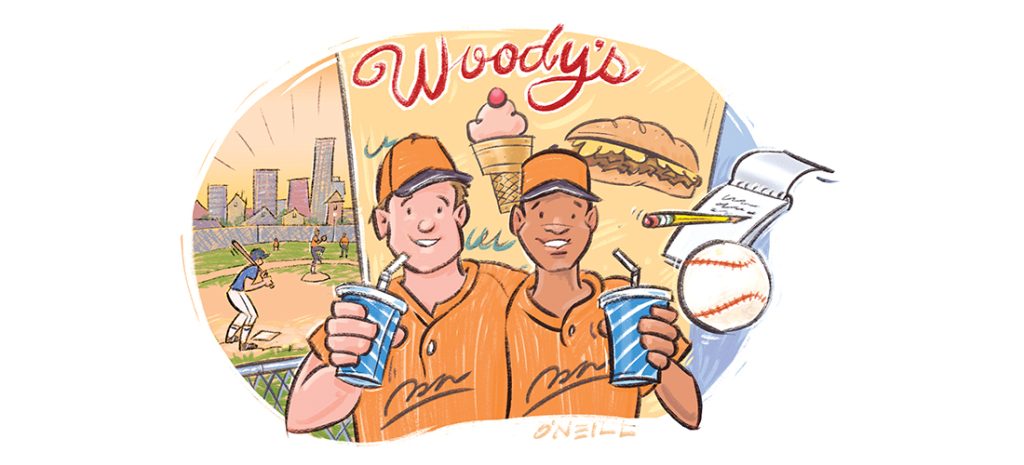
On the way home, I stopped at a popular neighborhood joint called Woody’s just two blocks from the ball field, foolishly thinking that if I bought them a milkshake and got to know them better, the four best players on the team might help me whip the Birds into shape. Instead, they hooted and hollered and made such a rude ruckus that the owners tossed us out and warned us not to come back unless we could learn to behave.

“I remember how you gave us a lecture about being gentlemen in public places,” Pete says as we sit together at Woody’s 40 years later. The place is now owned by a Black couple. Its milkshakes and steak-and-cheese sandwiches are better than ever.

Peter Gay is 53 today, a hard-working father of three grown children, and a popular volunteer football coach and recruiter for Booker T. Washington High in the center city. He’s dressed in the bright blue colors of the Washington Bulldogs.

Two years ago, he called me out of the Bulldog blue. 

“I remembered the story you wrote for the Reader’s Digest about us,” he explained on the phone that afternoon. “And I remembered that you left Atlanta to write books. That’s how I found you on the internet.”

“Tell me,” I said. “Is Woody’s still there?”

A day later, Pete sent me a photo of himself in front of the Woody’s sign. We made a plan to meet there when I came to Atlanta for my latest book research.

That first season, the Birds of Paradise never lost a game. Or if we did, I don’t recall it. We often won by football scores. Pete had a lethal fast ball. Alvin’s curve was unhittable. Rodney was an awesome catcher and Fred played first base like a pro. Even better, the Birds calmed down and became true gentlemen on and off the field, though I spent a small fortune on milkshakes once the other members of the team learned about my gambit and got in on the post-game treat.

“You kind of bribed us to behave with milkshakes,” says Coach Pete Gay today. “But I get that now. It really worked.”

Because of the Birds, I stayed for one more spring in Atlanta. In year two we went undefeated. A coach from the all-White northern suburbs even proposed a “Metro” championship game at his team’s immaculate facility north of the city. We set a date for the game, and I went out and purchased new orange jerseys with my own money. A few days before the match-up, however, my opposing coach called back to say that some of his parents were concerned that my kids might feel “intimidated about playing in such a nice facility.”

I assured him the Birds wouldn’t be intimidated. We both knew the meaning of his code words.

“Well,” he said uneasily, “maybe . . . next year.”

There was no next year.

After the season, the owners of Woody’s threw us a party and I left Atlanta for Vermont, where I learned to fly-fish, knocked the rust off my golf game and found a whole new career — and happiness — writing about people and subjects that enrich life. 

I also realized that the Birds of Paradise gave me a gift those final two years — a healing glimpse of what real happiness is like.

As another spring dawns, I’ve seen Pete and Fred several times and even attended the beautiful wedding of Pete’s daughter, Petera, last summer. Very soon, on my next trip to Atlanta, I’m planning to take my entire infield to a very nice, grown-up dinner, with or without milkshakes. OH

Jim Dodson is the founding editor of O.Henry.

Omnivorous Reader

Omnivorous Reader

The Great Escape

Silver Alert is a bewitching joyride

By Anne Blythe

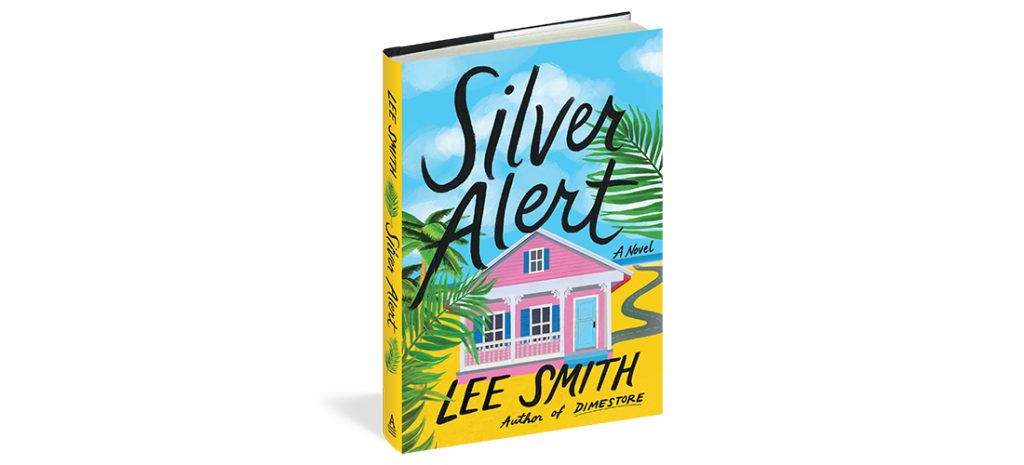
Lee Smith, a treasure of the North Carolina literary world, takes you on an unusual journey in her newest novel, Silver Alert. She’s predictably funny in her typically marvelous, unpredictable way. Her characters are beguilingly quirky. Yet amid all the humor and occasional madness in this tale about an octogenarian’s “one last joyride,” Smith plunges her readers into the depths of tough topics such as aging, sex trafficking, emotional abuse, poverty and wealth.

There are two protagonists. One is Herb Atlas, a curmudgeonly but ever so lovable retiree on his third marriage who we meet in his lovely — and very pink — Key West home. In his golden years now, Herb is perpetually mining for the gold he really didn’t know he had in his youth as he does his best to care for his once lively, artistic, adventurous and beautiful wife, Susan. He longs for the fancy and fast cars of his earlier years, alluring courtships and an escape from the dementia that has relegated Susan to a rattan chair by the bay window, where she remains lost in her own world.

The other central character, Dee Dee, or Renee, or whatever name the victimized but optimistic woman from Appalachia decides to use, is a young pedicurist fleeing hard-knock days. She is whip-smart, resourceful and endearing. Her parents died when she was a child. She bounced from household-to-household, man-to-man, lives in a bread-shaped trailer with a pink roof and fends for herself in a world in which those she encountered rarely had her best interest at heart.

Dee Dee is running from her past with hopes of a brighter future. Herb wants little to do with his future and yearns for the past. Their paths converge in Key West, a place with celebrated sunsets and a seize-the-day vibe.

Key West is a character in the novel, too. Smith takes her readers down Duval Street and its offshoots, into shops, cafes, Laundromats, and the nooks and crannies where people come to remake themselves, start anew or sometimes disappear.

Herb is in his home at 108 Washington Street, “a primo address,” as Smith describes it, wearing red-and-black plaid pajama pants, lime green crocs and a Hawaiian shirt covering his considerable gut, when he opens the door, and his life, to Dee Dee.

Using Renee, instead of her real name, Dee Dee has come to give Susan a pedicure. “She looks like a kid, with those wide brown eyes beneath the blond bangs, her high, shiny ponytail swinging as she steps forward in her white, white tennis shoes,” Herb thinks to himself. He gives her an earful as he walks her back to his wife’s quarters. Susan’s daughter, Maribeth, “the hippy one,” as Herb calls her, and her partner Pat DeVine, “the bossy one,” who arranged the appointment, have come down to help care for his wife.

Herb is unenthusiastic. “I never asked them, you understand. I don’t need them, this is a classy operation. But this Pat, you can’t tell her no, you can’t tell her nothing.”

Dee Dee, dressed in jeans, a pink tunic and carrying a big bag of nail polishes, clippers and salon tools, is not just a pedicurist, it turns out. She has a knack for dealing with Susan. The “crazy whisperer,” as Herb dubs her, can make his Susan laugh, smile and even seem happy with colorful markers, a tablet and easel from the Walmart children’s section. For hours at a time, Susan sits in the garden in front of her easel, using only one color on each sheet of paper, drawing “crazy art.”

The makeshift art corner delights Herb as he tries to ignore the signs of aging thrust at him — the living wills, the health care power of attorney, confounding medical forms and that humiliating clock he had to draw for the nurse, showing the hands set at 7:15, to assess his mental acuity. Then there’s his constant urge to pee — “Old age is all about urine, who knew?” Smith writes.

Smith takes on some of the difficult topics of aging as she introduces her readers to the cast of adult children in Susan and Herb’s world. She shows the push and pull, and the sometimes painful juxtaposition, as children take on the difficult roles of being parents for their parents.

Smith craftily explores the wealth dichotomy so prominent in Key West as readers follow Dee Dee, whose hardscrabble beginnings have left her with few nickels to scrape together. Her travels take her from the trailer park where drug trafficking sometimes pays the rent to the affluence of the Atlas house and the “tree house,” where she has a romance with a well-to-do graduate student taking a break from his scripted life to live like a Bohemian and write poetry.

Herb and Dee Dee go about their business for much of the first half of the book at a pace that — like a child chomping at the bit to grow up — is not always as swift as desired.

Then Herb and Susan’s family stages an intervention and they can see their dreams unraveling. As the adult children talk about moving Herb into an assisted living facility in Del Ray with Susan, he fishes keys to his Porsche from his secret hiding place in a shoe and sets off with Dee Dee on a madcap adventure.

Herb’s last joyride is a joy for readers, as well. Even though there are cringing moments as the pair starts out along the streets of Key West, then on the highways north, eventually headed to Disney World, it’s difficult not to cheer them on.

Silver Alert will make you squirm over the wistfulness of aging, but it will leave you with a big smile from getting to know characters who worm their way into your heart.  OH

Anne Blythe has been a reporter in North Carolina for more than three decades. She has covered city halls, higher education, the courts, crime, hurricanes, ice storms, droughts, floods, college sports, health care and many wonderful characters who make this state such an interesting place.

Almanac April 2023

Almanac April 2023

April is a quivering brood, a bellyful of earthworms, a fledgling’s maiden flight.

The sun is out. A banquet of wild violets glistens in the wake of a spring rain. The birdbath runneth over.

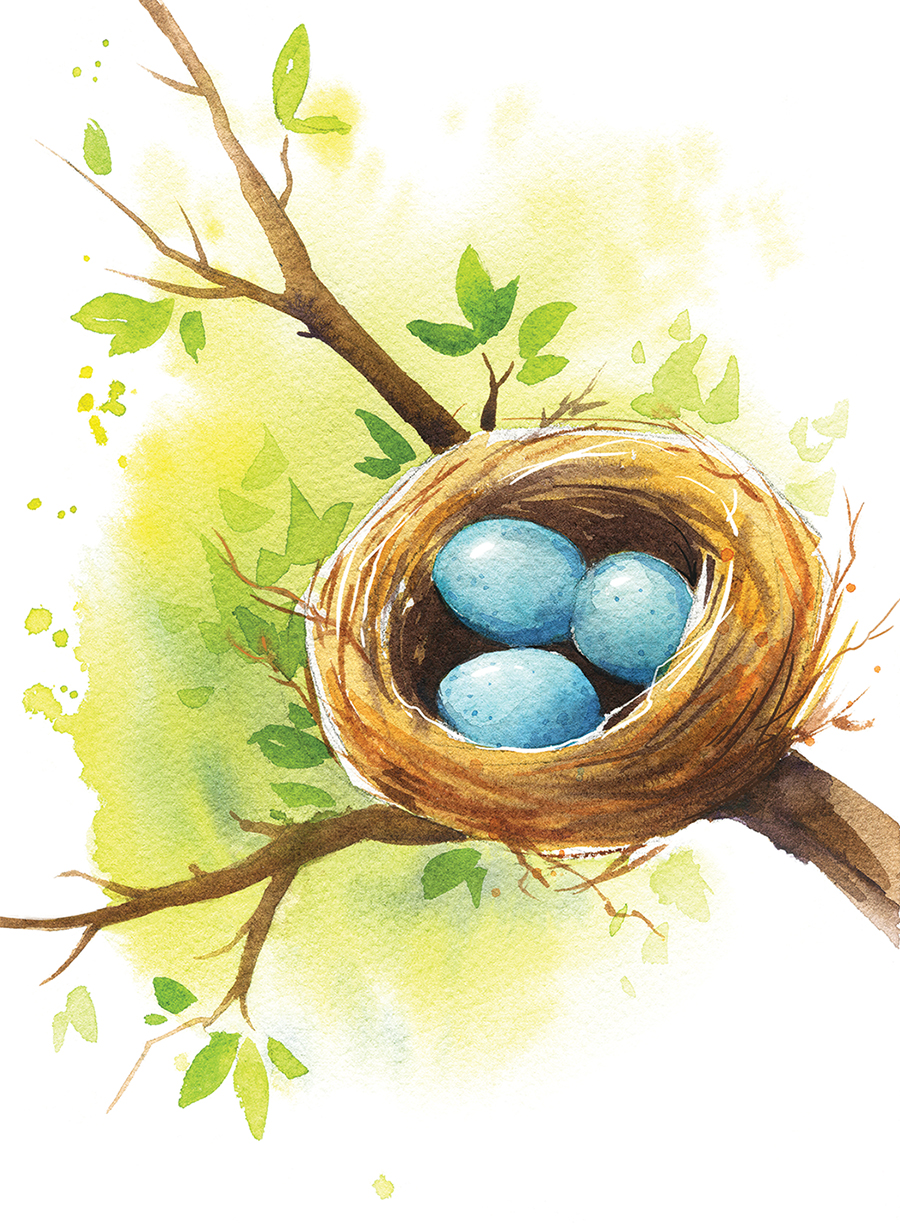
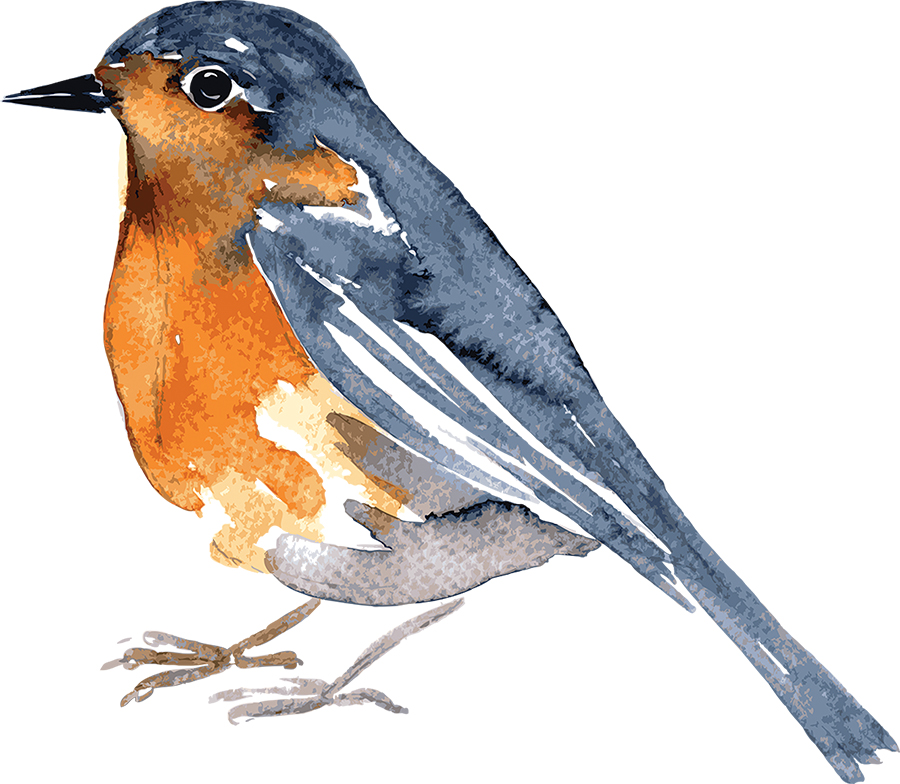
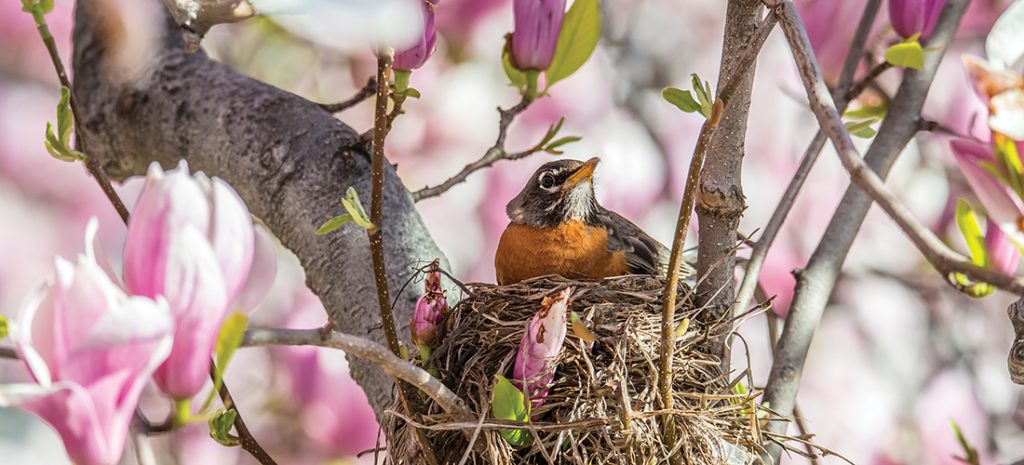
In the garden, a pair of robins scurry from worm to worm, flit from soft earth to wriggling nest, from wriggling nest to soft earth. There are mouths to feed. Four beaks, bright as buttercups, open and urging for more, more, more.

Born pink and blind, the robin hatchlings know nothing of rat snakes or corvids; nothing of cold winds or the bloodthirsty cat by the birdbath. By some miracle, the chicks emerged from pale blue eggs into a world that is soft, safe and kindly. By some miracle, they know only the warmth of their mother, the warmth of the nest, the warmth inside their plump, translucent bellies.

Days from now, everything will change. First, tiny quills will appear on the nestlings’ feeble bodies. Next, their eyes will crack open, the sudden light revealing a world of color and danger and new horizons.

In two weeks, when the dandelions have multiplied and the earliest strawberries blossom, the speckled fledglings will jump the nest.

What happens next?

For the young robins: peril or miracle.

For the robin pair: another nest, another clutch, another thousand trips from quivering brood to soft earth.


The Blushing Maiden

The Full Pink Moon rises on Thursday, April 6. Native Americans named this moon for the creeping phlox now blushing across the tender earth. This year, the Pink Moon also happens to be the Paschal Moon — the first full moon of spring.

Also called moss phlox, the fragrant blossoms of this herbaceous perennial make it a butterfly magnet.

But it’s not the only pink flower in bloom. Tulips come in 50 shades of it.

There’s the pink-flowering dogwood, the eastern redbud (pardon the misleading name) and the showstopping cherry.

Don’t forget the pink azaleas, coming soon.

Easter (aka, the moveable feast) always falls on the first Sunday following the Paschal full moon. This year, Easter is celebrated on Sunday, April 9. If you’re planning to hide eggs, careful where you stash the pink ones.

Today has been a day dropped out of June into April.     — L.M. Montgomery, Anne of Windy Poplars


April Shower

According to Smithsonian magazine, the Lyrid meteor shower is one of the 10 most “dazzling” events for stargazers in 2023. This year’s shower peaks on Saturday, April 22 (Earth Day).

“Observers are usually able to see about 18 meteors per hour in a clear, dark sky,” the article states, “though on rare occasions, the Lyrids can surprise viewers with as many as 100 meteors in an hour.”

At 6 percent illumination, the waxing crescent moon should make for favorable viewing conditions.

As for a clear sky? We’ll see. Or, we won’t.  OH

O.Henry Ending

O.Henry Ending

Good Grief

An aunt’s legacy of funeralizing lives on

By Cynthia Adams

On the occasion of my Great Aunt Fola’s death, we funeralized.

This was a term coined by her maid, Ella. Funeralizing, according to Ella, meant cooking and baking (in anticipation of drop-ins, primarily family, friends and neighbors who would come by in order to pay their respects). This required being sure there was cold chicken, iced tea and pound cake for anyone who stopped by before or after the formal service. (Funeralizing, she would explain, always makes you hungry.)

It meant earmarking ample time for the first public phase of grief — reminiscing, remembering and mourning the dead with all of those drop-ins. Which required, too, being sure your best (black, navy or gray) funeral clothes were cleaned and prepared, and the home was readied “to receive.” 

And, of course, funeralizing included wearing your bravest face at the wake, plus standing at the funeral home in the “receiving line” with the family as mourners wept and made the loss their own.

We funeralized first when Ella died, and we followed suit with Fola.

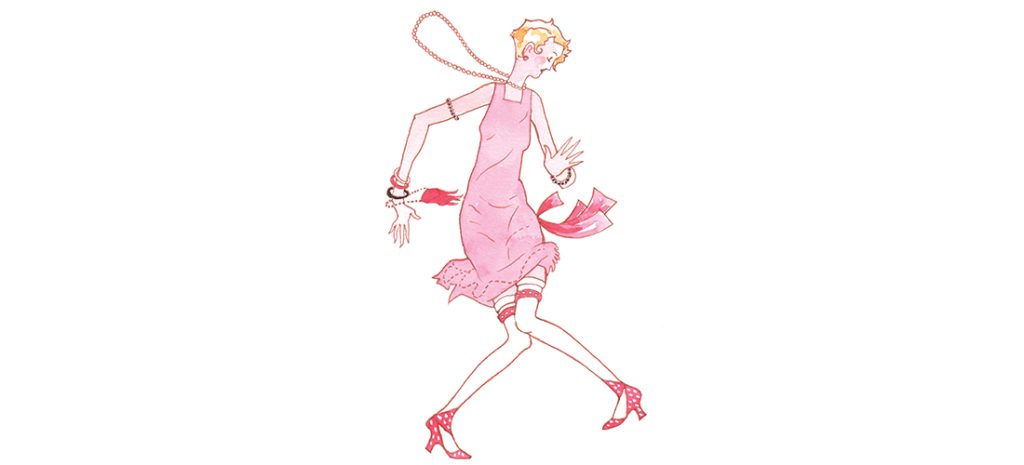
Fola McClellan Williams, born in 1904, was the youngest child in a Scotch-Irish family in Union County. Her sisters became homemakers. Her brothers, businessmen. But Fola, with strawberry blonde hair and bright blue eyes, was a child of the modern age. She was a Flapper.

Fola dressed and danced prettily. She was the first woman in Monroe to drive a car. She deliberately married late and was childless. Fola shunned health fads and cooked “with seasonings,” a term for the liberal use of fatback and salt in a pot of greens or beans. 

She became a buyer for Belk at the original Monroe department store. Fola took the train to New York City for buying trips, with hat and gloves — plus a tiny salt shaker tucked into an alligator purse. Unconstrained by traditional housewifery, thanks to Ella, she became president of the Business and Professional Women’s Club, and traveled.

Fola was a consummate lady, but cussed under her breath if the occasion demanded. It was her lifelong habit to enjoy a happy hour, and neighbors and friends often joined her. Upon her death, Fola relegated her worldly goods to the women in the family. Among other things, I inherited her souvenir shot glasses (including one depicting the World Trade Center, and another which looks like a thimble, engraved with “Just a Thimble Full”).

At her funeral, no less than John Belk, son of Belk founder William Henry Belk, was one of five men to eulogize her. Fola’s elderly Baptist minister dramatically cleared his throat before describing her as “a feminist.” He entreated God to overlook this aspect of an otherwise God-fearing woman, pointing out that “she wasn’t obnoxious about it.”

As the minister helpfully warned God, “Watch out for Fola in Heaven, for she has her own ideas about things,” one of my sisters grabbed my kneecap and hissed. Our mother refused to look at us, keeping her eyes fixed upon a spray of pink flowers.

The rheumy-eyed minister had been partly right. Fola was a woman who had her own ideas. She volunteered for good causes, was a town booster and was unapologetically progressive. 

The speakers at her funeral were also right. Our aunt was an anomaly:

Fola resided in her home town till death.

She didn’t think somewhere else was better than where she was — small-town, North Carolina.

She collected a gold pin from the company where she began her career 50 years earlier.

She remained with the man she finally chose to marry.

When things went wrong, Fola didn’t think it was up to somebody else to fix things; instead, she figured she was somebody, and did something.

After the eulogizing, my sisters and I accepted the tone-deaf minister’s sympathies. Although I later cussed under my breath like Fola might have done, I still murmured courteous thanks to him on the church steps. 

This was funeralizing, after all. Fola would have insisted upon nothing less. OH

Sazerac April

Sazerac April 2023

Sage Gardener

We were, in fact, eating some freshly-picked, beautiful, blue-green Lacinato kale, aka dinosaur kale. My dining partners were impressed, but what they didn’t know, and soon learned, was how runty our plants were. “You should have ordered the Walking Stick kale,” says my wife, Anne, grabbing our dog-eared copy of the Baker Creek Heirloom Seeds catalogue. There, pictured in the kale section, was a gray-whiskered gardener atop a teetering ladder, plucking kale from a 20-foot-high stalk.

It’s that time of year when brown grass gets browner every day while multicolor splashes of brilliant Pippin’s Golden Honey peppers, Kyoto Red carrots and kaleidoscopic Glass Gem popping corn jump right off the catalogue pages into our imagination. “I planted Glass Gem popcorn and the ears were the size of your thumb,” one dinner guest says. And we’re off, all of us digging up dirt on seeds that have let us down by only sprouting disappointment: the oh-so-challenging ramp and garlic seeds; the Dutchman’s pipe seeds, terribly expensive and requiring three months of refrigeration and six months’ germination — before dying; the Amazing Grey Poppies that did anything but amaze; caper seeds; miner’s lettuce and even pine nut seeds. “How much of it is our trying to grow something that’s never meant to thrive in our soil and climate?” another dinner guest wonders. “Probably, but I feel so betrayed when I compare my plants to the ones in the catalogue. Worse yet, I feel like such a bad gardener,” Anne admits. “Does that mean you decided not to buy the package of 1,500-Year-Old Cave Beans?” I wonder. “They’re already in the mail,” Anne says.

David Claude Bailey


Window to the Past

Photograph © Carol W. Martin/Greensboro History Museum Collection

“Gimme all your eggs and nobody gets hurt.”


How I Saved Jesus

There are countless stories of wayward souls saved by Jesus Christ. But did I ever tell you the story of how this irredeemable sinner rescued Jesus?

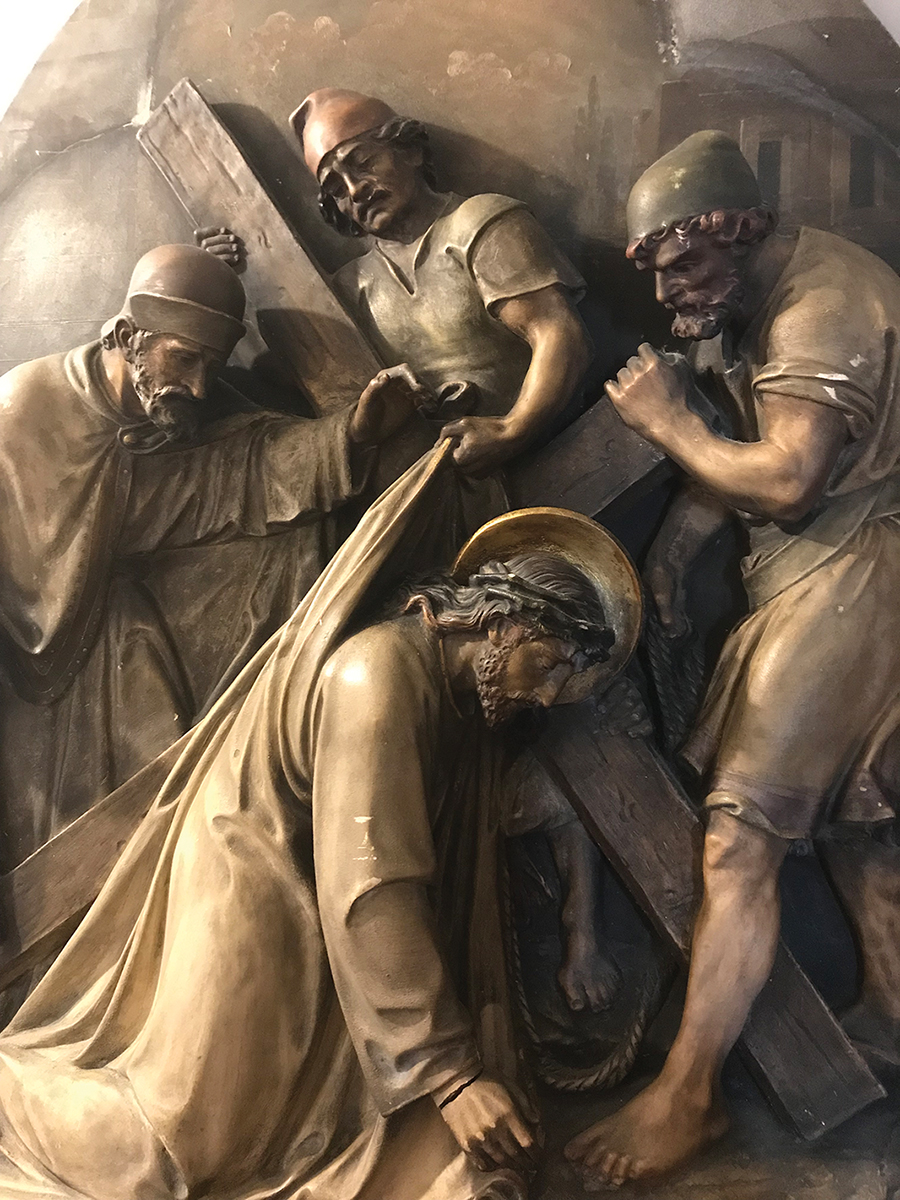
Cinematographer Philip Dann retrieved this magnificent depiction of one of the stations of the cross from a construction dumpster. There were originally 14 of these detailed monuments — this one being the ninth station, divinely depicting Christ’s suffering at the hands of Roman soldiers.

Dating back to the 1930s, it weighed about 60 pounds and was sculpted in painted plaster mounted on a solid wood backing. Sadly, only three of the stations survived. It seems an old church along the Carolina coast that was modernizing and renovating felt these magnificent dioramas were too old fashioned — so they just chucked them, most reduced to rubble. Can you imagine?!?

Philip pulled the three less severely damaged sculptures out of their ignominious resting place and gave them a brief cameo in a 2012 motion picture I performed in, Lake of Fire.

On the last day of filming I was asked to take those three sculptures home since they had no place to reside. Of course, I said no. I mean, these things were huge and would dominate any space, plunging a room’s Feng Shui into total turmoil!

After a moment of reflection I realized I couldn’t let something so unique and symbolic end up on Storage Wars. Or worse in some frat house, converted into a beer bong. So I rescued the most dramatic depiction, which now sits in my Time Tunnel-esque hallway, serving as a nifty conversation starter.    

     Billy “Mr. Sanctimonious” Ingram


Just One Thing

Steisha Pintado, The Fruit of Goodness, 2019. Acrylic and fabric on paper, 32”x32”. Courtesy of the artist. © Steisha Pintado, 2019.

Artist Steisha Pintado, whose work can be seen as part of the Weatherspoon Art Museum’s 2023 UNCG MFA Thesis Exhibition, recalls her childhood as one of “isolation, guilt and fear.” After years of feeling as if her life was “predetermined and designed around being a Jehovah’s Witness,” Pintando left the church and now explores her narrative through her interdisciplinary work, including drawing, painting, puppetry and animation. The Fruit of Goodness, a multimedia acrylic-and-fabric on paper, is about Pintado’s coming to terms with realizing that the paradise that was promised to her as a child is fictional. The colors in this particular piece were informed by childhood nostalgia and amplified by films such as Charlie and the Chocolate Factory and The Wizard of Oz in which the palettes are “sickeningly sweet” while sinister forces lurk underneath. Now using her voice and art as expression, Pintado says, “I make this work for myself, for others who have also had these experiences and to create a public awareness around these issues.” The MFA exhibit opens April 22. Info: weatherspoonart.org/exhibition-2023-mfa.


Unsolicited Advice

Unless your bunny is highfalutin, it’s likely that your yard will be filled with nothing but rabbit, um, pellets on Easter morning. We came up with some alternative solutions that the E.B. can stash in your gardens.

Painted rocks. Who doesn’t love a colorful stone, especially with a motivational “You rock” message? And Easter Rocks-travaganza has a nice little ring to it. Better yet, don’t paint them. Don’t even hide them. Tell the kids the bunny hid rocks and watch them go to town with nature’s bounty.

Socks. So that’s where all the missing socks are. You can even use that hopeful easter egg dyeing kit you bought in January to color them in spring pastels. They pair perfectly with Crocs.

Peeps. Trust us. No one wants those sugar-coated marshmallow fluffsters in their baskets. Don’t worry — none of God’s creatures are interested in munching on them either, so they’ll be safe. And you can likely find them for free. In your pantry, untouched from last year.

Almanac

Almanac


March is a born artist, wide-eyed and unbridled, creating for the sake of life itself.

The genius begins with a single daffodil, warm and bright, nodding in a stream of honeyed light. Each petal is a world of yellow. Each leaf, a meditation on green.

The artist becomes obsessed.

One daffodil becomes a series, progressively abstract, until each flower is more essence than form.

Paintings expand into wild landscapes. Quick as the hand can move, a rolling sea of yellow starbursts stretches from one canvas to the next. The foreground softens. Thick and messy brushstrokes evoke a tender, playful light.

Crested irises and yellow violets now spill from the frenzied brush, followed by flowering clover, purple deadnettle, wild onions, chickweed and a downy flush of dandelions.

Robins begin to appear. Bluebirds, too. Tree swallows and towhees and red-winged blackbirds. The painting nearly sings out.

Leafless branches, stark among the luscious earth, are suddenly laden with clusters of crimson whirligigs. Redbuds are studded with bright fuchsia blossoms. Soft pink swirls adorn silver-limbed saucer magnolias.

The brush strokes quicken. A sweep of tulips colors the earth magnificent. As spring bursts forth, flower by brilliant, quivering flower, the artist surrenders to the muse.

On the Wild Side

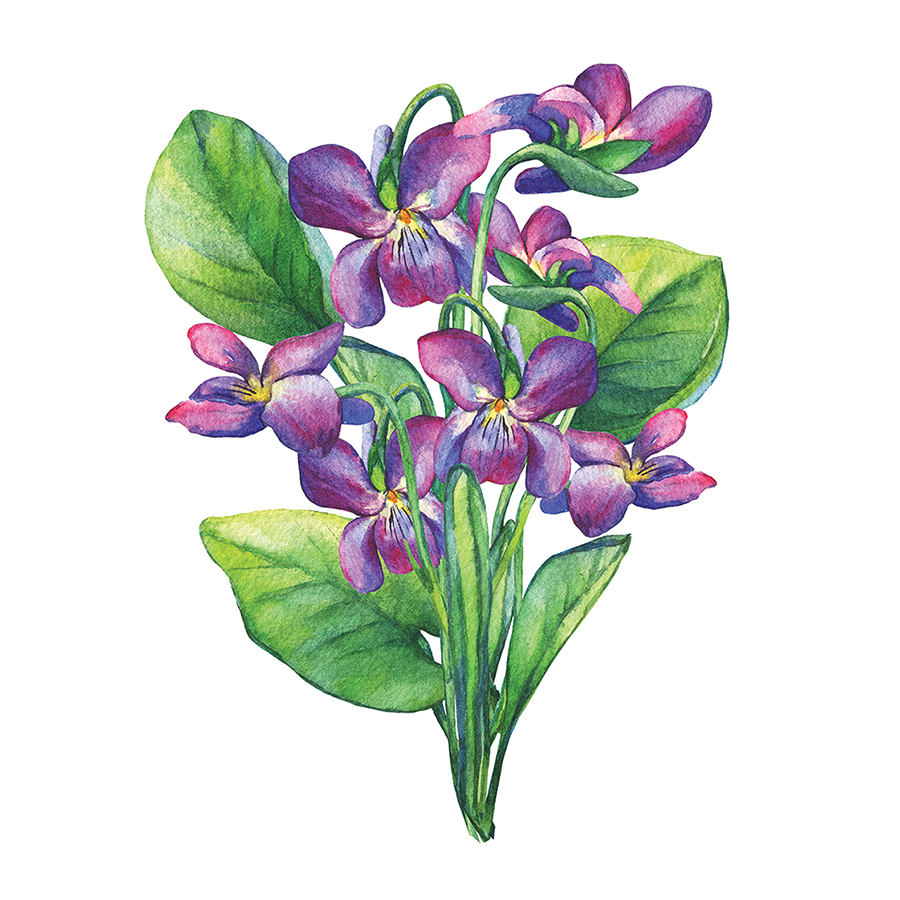
Among the wild blossoms beginning to carpet the soft earth — fig buttercups and field mustard, blood root and Johnny jump-ups, dimpled trout lilies and Carolina jessamine — the common blue violet is one you’ll likely spot in damp woods and shady meadows. Also called the woolly blue violet, wood violet or common meadow violet, this short-stemmed perennial is known for its heart-shaped leaves (edible) and white-throated purple flowers (also edible).

But have you ever seen a bird’s foot violet? Named for the shape of its narrowly lobed leaves (they do, in fact, resemble bird feet), this viola species prefers dry, sandy soil and pine lands. The five-petaled flower, lilac or bicolored with bright orange anthers, is largely considered to be the most beautiful violet in the world. But what spring bloomer isn’t a bewitching vision to our winter-weary eyes?


Our life is March weather, savage and serene in one hour.             — Ralph Waldo Emerson

A Time to Sow

The cold earth is thawing. The Full Sap Moon rises on Tuesday, March 7. The maple sap is flowing once again.

The vernal equinox occurs on Monday, March 20 — along with a dark, balsamic moon. As a new season and cycle begin, we return to the garden.

In early March, sow carrot, spinach, radish, pea and turnip seeds directly into the softening earth. Mid-month, sow chives, parsley, onion and parsnips. At month’s end: beet and arugula seeds.   

Broccoli, cauliflower and cabbage seedlings can be transplanted outdoors mid- to late-month. Ditto kale, Swiss chard, lettuce and kohlrabi.

Growing season has commenced. As the days grow warmer still, behold the simple miracle of spring’s return. The miracle of life itself.  PS

Birdwatch

Birdwatch

Nesting Season

There’s no place like home

By Susan Campbell

It is almost that time again for our feathered friends: nesting season. Pairs of birds will team up to bring forth the next generation. In some cases, they will even repeat the process once or twice before the days shorten and temperatures begin to drop.

As with so many behaviors, reproduction is triggered by hormonal changes, which are the result of changes in day length. Females will become responsive to the advances of males as daylight increases. And before long, the hunt for a spot to nest will begin. Interestingly, the strategies vary among the bird species we find in central North Carolina.

The investment in nest building for some species is minimal. Killdeer, for instance, only create a slight scrape in a sandy or pebbly surface. They are ground nesting birds whose splotched eggs blend in perfectly with the substrate. Furthermore, killdeer young are precocial, meaning that they are mobile as soon as they hatch and will instantly begin following their parents. There is no nestling phase, so protection of the young birds is unnecessary.

In the Sandhills it is not unusual for mourning doves to nest at ground level in a layer of grasses or small twigs. Even when doves nest in small trees or shrubs, their nest platform is minimal. It is amazing that the eggs or young do not fall through the nest. Then again, this species is known to raise young in virtually any month of the year, so losing an egg or youngster through the cracks is not problematic in the long run.

Cup nests are a very common strategy for nesting — especially among songbirds. Northern cardinals, blue jays and American robins all form a typical nest from small branches, twigs and grasses. Such nests can be visible through the leaves and are not infrequently depredated. As a result, some species, such as blue-gray gnatcatchers and ruby-throated hummingbirds, have evolved to use camouflage in the form of mosses or lichens on the outside of the cup so that the nest is not obvious to predators on a bare limb.

Hawks and eagles have taken nestbuilding to the next level and may create an enormous, cupped platform for their young. These huge stick nests, placed high in a live tree or snag, typically are enlarged with more material every year. They can be very noticeable given their bulk. However, given the size and ferocity of these birds, the strategy is not problematic. Furthermore, one of the adults typically guards the nest until the young are close to fledging.

And then there are the species that use holes: the cavity nesters. Woodpeckers and nuthatches can carve out a cavity in dead wood using their powerful bills with little trouble. Species such as chickadees, titmice, bluebirds or wood ducks will move right into these spaces when the architects move on. It is these birds that many of us have been giving a helping hand by erecting bird boxes. Box design varies by species, of course, given the different reproductive requirements of different birds. The height, the depth of the box and, most importantly, the size of the entrance hole will determine who will move in.

So, if you have not yet done so, this is the time to be cleaning out and repairing nest boxes for the breeding season. Old nests should be removed, and the boxes should be aired out for a day or two.  It would not hurt to give them a rinse with the hose as well — but do NOT use cleaning products. And then stand back: It will not be long before your first feathered tenants will be moving in!  OH

Susan Campbell would love to receive your wildlife sightings and photographs at susan@ncaves.com.

We Are the Dreamers

We Are the Dreamers

The Gate City has positioned itself for a bright future

By Ogi Overman

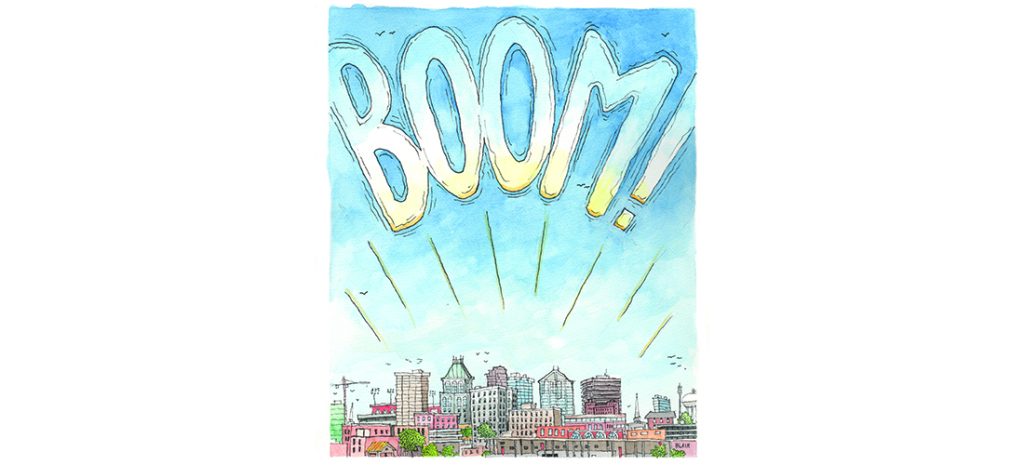
Buckle up, buckaroos, it’s about to become boomtown around here. Or, we could call this burg Boomtown — as in Boom Supersonic. HondaJet headquarters is old news. In fact, it’s hard to look up without seeing one. But several other aero-related businesses are set to take off around PTI. You already likely know about the Toyota battery plant on the Guilford-Randolph county line and the UPS distribution plant in Mebane. Remember the FedEx hub way back when and the Publix Distribution Center in 2018. Two new hotels are going up downtown. And speaking of downtown, where do we start or stop: Tanger Center, Carroll properties, brew pubs and restaurants spring up like morel mushrooms. BOOM!

But let’s get nitty-gritty for one small paragraph. Did you know about Syngenta announcing its North American headquarters would stay in Greensboro in 2021 with a $68 million investment or Procter & Gamble’s $110 million investment in 2022, or LT Apparel Group’s $57 million investment? Ka-BOOM!

Yet, there’s still something missing. Let’s face it, most any city can boast of well-paying jobs, luxury hotels, entertainment and athletic venues, a downtown revival, parks and greenways. What Greensboro needs is something almost no other city has; something so unique and quirky, and downright unnecessary that it would make visitors go back home and tell their friends, “You have got to go to Greensboro!”

So, we threw logic — and practicality — to the wind and used our imagination to picture just a few of the possibilities (And we welcome your suggestions, the more far-fetched, the better):

Frozen Pond: The Piedmont Winterfest skating rink downtown is a nice idea, but it has its drawbacks: It’s temporary, has fake ice, and it costs money to skate.

This visionary sees a pond in summer and a skating rink in winter. Let’s say you dig a shallow hole, pipe in some water and lay some hockey pipes and a chilling system underneath. You freeze it the day of our downtown Christmas celebration, “Festival of Lights,” the first Friday of December.

Then, in early April, you thaw it out and it becomes a reflecting pond — but not just any pond. You put a fountain in the middle that changes colors and arrays. It also has an LED color-changing system underneath and officially turns on the night of the home season opener for the Grasshoppers.

Around the perimeter you have benches, kiosks and roving singers. In summer, the vendors sell sodas, sparkling water and ice cream; and in winter, coffee and hot chocolate. The roving singers might be everything from carolers to Bel Canto singers to barbershop quartets to folk groups to Grimsley’s madrigal singers — you name it.

When the U.S. Figure Skating Championships return to the Coliseum a few Januarys hence, we’ll be ready for it.

Downtown Trolley: Granted, trolleys are not exactly a unique idea, but they generally cruise around tourist towns such as Gatlinburg, Tenn. Ours will be both functional for townsfolk and fun for out-of-towners.

During lunchtime, two trolleys, eco-friendly, of course, run up and down Elm Street, taking workers to and from lunch, boosting business at downtown eateries, and solving potential parking and traffic problems.

In the evening, passengers catch a ride from Hamburger Square, the downtown hotels, UNCG, Greensboro College, NC A&T, and other gathering spots, to and from the ballpark on game nights, and Tanger Center on event nights.

Electric Car Grand Prix: OK, Charlotte is the hub of NASCAR (it could’ve been Greensboro, but that’s a whole ’nother story), but there is a huge opportunity for Greensboro to be on the vanguard of a burgeoning form of motorsports — Formula E.

Like it or not, gasoline-powered vehicles are on the way out, and that includes race cars. Formed in 2014, the wave of the future is called the ABB FIA (Fédération Internationale de l’Automobile) Formula E World Championship and now holds races all across Europe as well as Mexico City. As of now, the only Formula E race in the U.S. is held in Portland, Ore.

Here’s how it would work in Greensboro: The hub is at War Memorial Stadium. With very little infrastructure change, the field becomes the garage (not to conflict with NC A&T’s baseball season). The start/finish line is the corner of Yanceyville and Lindsay, and the pits are alongside Lindsay, toward town. The cars depart in front of the stadium, to the right, then loop onto Wendover. Loop again onto Westover, pass Grimsley High School, then left at Benjamin Parkway which turns into Smith Street, and onto Murrow Boulevard, reaching the home stretch on Lindsay.

First, though, we need a sponsor. Hello, Toyota?

The World’s Largest Beer Bottle: Since we’re already informally known as “Greensbeero,” why not make it official? Imagine the touristas who will flock here to pose in front of the World’s Largest Beer Bottle, not to mention the locals who just love to sample the dozens of locally brewed craft beers inside. Yes, I said inside.

The bottle will be made of glass block and needs to be three- or four-stories high. A spiral staircase — with a handrail, of course — will reach to the top, with a landing at each story, stocked with several taps serving up Greensboro’s and the state’s distinctive brews.

For the earthbound patrons, a checkerboard dance floor will beckon them to shake a leg. A state-of-the-art sound system, disguised as a jukebox, will play hits from every decade, from the ’50s to the present, one decade each night of the week. Monday you might hear Danny and the Juniors, to Sunday’s fare by Machine Gun Kelly

For the daring, a telescope on top looks down on the ’Hoppers game or up to the moon. Bottoms up!

Century Boulevard: This one will take a big buy-in from the business owners to the city, state and federal governments. And a little help from a Tanger or LeBauer type wouldn’t hurt. But wowsers, would the end product be worth it.

Elm Street becomes Century Boulevard, celebrating the 20th Century, one block per decade. Starting at Old Greensborough and running to Fishers Grille, each store on each block will (as much as possible) be a re-creation of the décor, storefront design, fashion, music, food, lingo, attire, autos and trappings of that era. In one afternoon, tourists — and there will be plenty — may take a virtual tour of the century. The music, for instance, will range from Tin Pan Alley to Boogie Woogie to Big Band to Crooners to Elvis to Brit Invasion to Disco to Metal to Grunge to Pop Punk to whatever Gen X-ers listened to.

This will be by far the biggest, most expensive and most farfetched undertaking Greensboroians have ever envisioned. But, as a wise man once said, “Good things happen when nobody cares who gets the credit.”  OH

Ogi Overman has been a mainstay on the Central NC journalism scene since 1984. He is currently compiling a book of his columns.

The Beat Goes On

The Beat Goes On

From the Mountains to the Sea

By David Menconi 
Type design by Keith Borshak
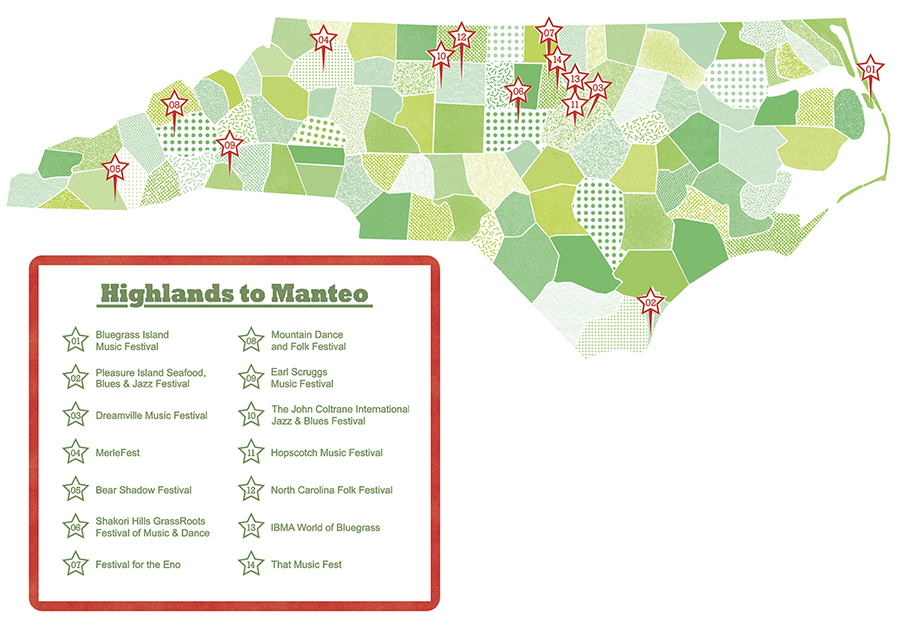
 

Map Illustration By Miranda Glyder


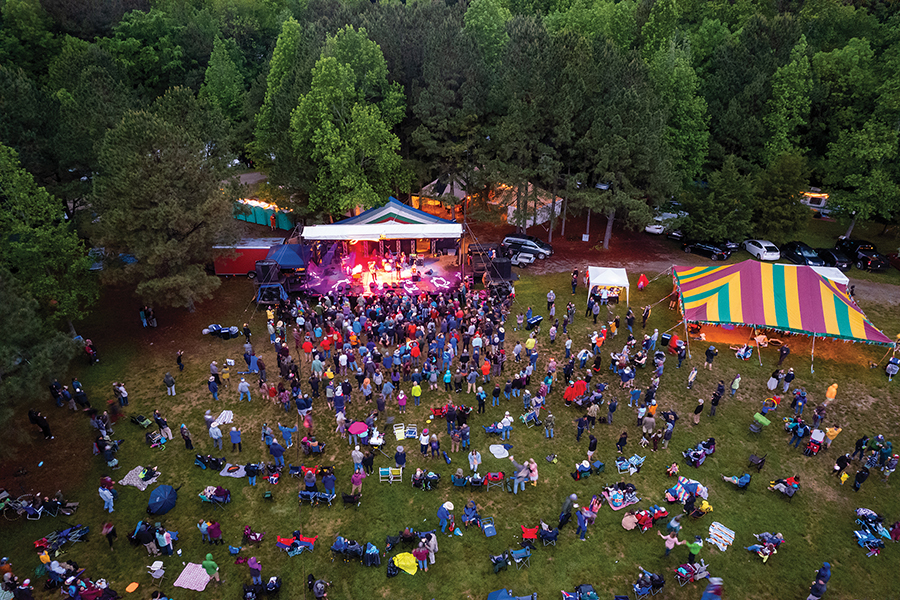
Springtime in North Carolina means college basketball madness, azaleas blooming — and the earliest days of outdoor music. Our state has a staggering array of A-list music festivals spanning numerous genres from now until fall. Here are some of what you should be making plans for.


       

Dreamville Festival 

Between apocalyptic weather and the coronavirus pandemic, rapper J. Cole’s Dreamville Festival has had a rocky existence in its short history. But in spite of multiple postponements, Dreamville has been a huge success, starting with 2019’s sold-out debut at downtown Raleigh’s Dorothea Dix Park that immediately established it as one of the nation’s top hip-hop festivals. Dreamville’s second edition in 2022 expanded from one day to two with an onstage lineup featuring the entire roster of Cole’s Dreamville Records label, and it also sold out. Round three returns to Dix Park the first weekend of April as another multi-day affair. It should be another big success, with Cole himself in the headline slot.

April 1 – 2, Raleigh; dreamvillefest.com


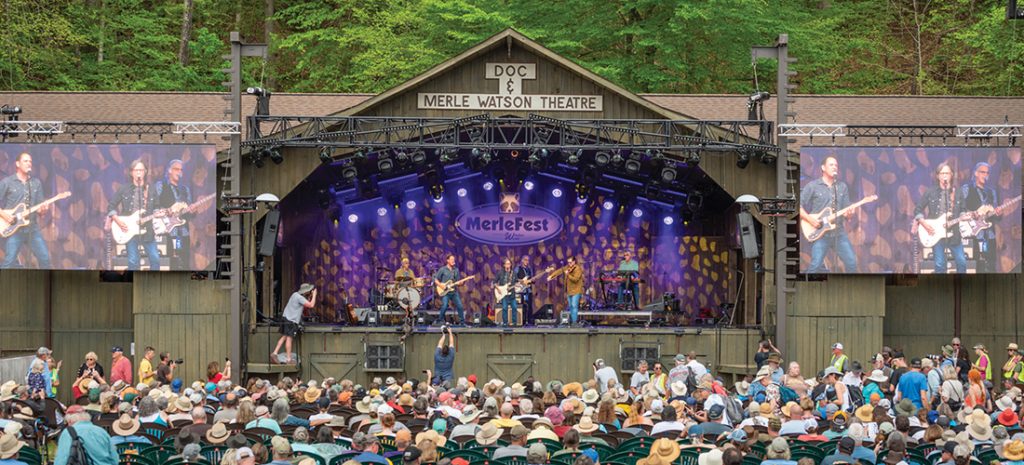
MerleFest 

Centered on the multi-style “traditional plus” music played and loved by its late, great founder, Doc Watson, MerleFest has been a tradition at Wilkes Community College since 1988. The venerable roots-music festival is a signpost event on the Americana circuit. And after the same pandemic problems that every other live-music event faced in recent years, it’s back with an impressive lineup featuring the Avett Brothers, Maren Morris, Little Feat, Tanya Tucker and more.

April 27 – 30, Wilkesboro; merlefest.org
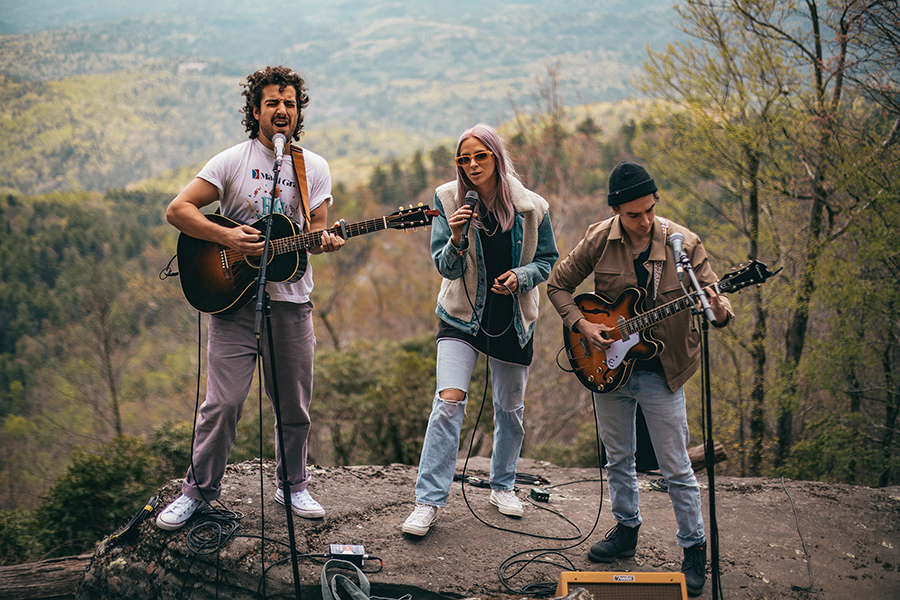
 

Bear Shadow

The mountains of the far western corner of North Carolina are the setting for this springtime festival, which happens the same weekend as MerleFest. First conceived in 2021, this year’s model has a first-rate alternative-leaning lineup featuring Spoon, The Head and the Heart, Jason Isbell and Amythyst Kiah.

April 28 – 30, The Highlands Plateau; bearshadownc.com
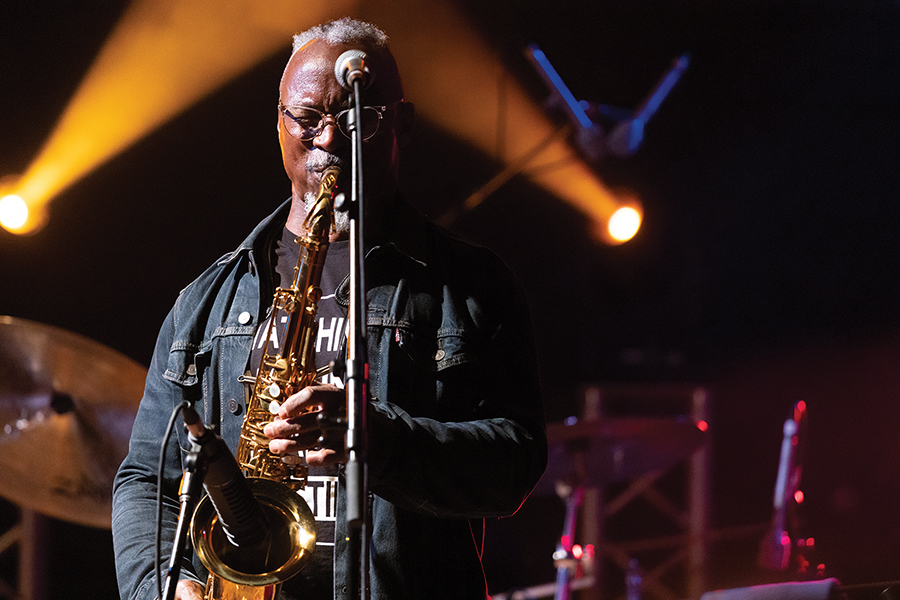


Shakori Hills GrassRoots Festival of  Music & Dance 

Started in 2003 as a nonprofit music and dance festival, Shakori Hills takes place on a bucolic 9,000-acre spread in rural Chatham County. It’s probably the top camping festival in the greater Triangle region, with solid Americana lineups. Marty Stuart & His Fabulous Superlatives, Malian singer/guitarist Vieux Farka Touré, beach legends Chairmen of the Board and festival regulars Donna the Buffalo. There’s also a fall version of Shakori Hills, which happens every October.

May 4 – 7, Pittsboro; shakorihillsgrassroots.org


Annual Carolina Beach Music Festival

Dance to beach music with your toes in the sand at the 37th Annual Carolina Beach Music Festival on Saturday, June 3 from 11:00 a.m. to 5:00 p.m. Billed as “the biggest and only beach music festival actually held on the beach on the North Carolina coast,” three bands will be performing. Shows are accessible from the Carolina Beach Boardwalk at Cape Fear Blvd. and Carolina Beach Ave. S. For information on tickets call (910) 458-8434.

June 3, Carolina Beach
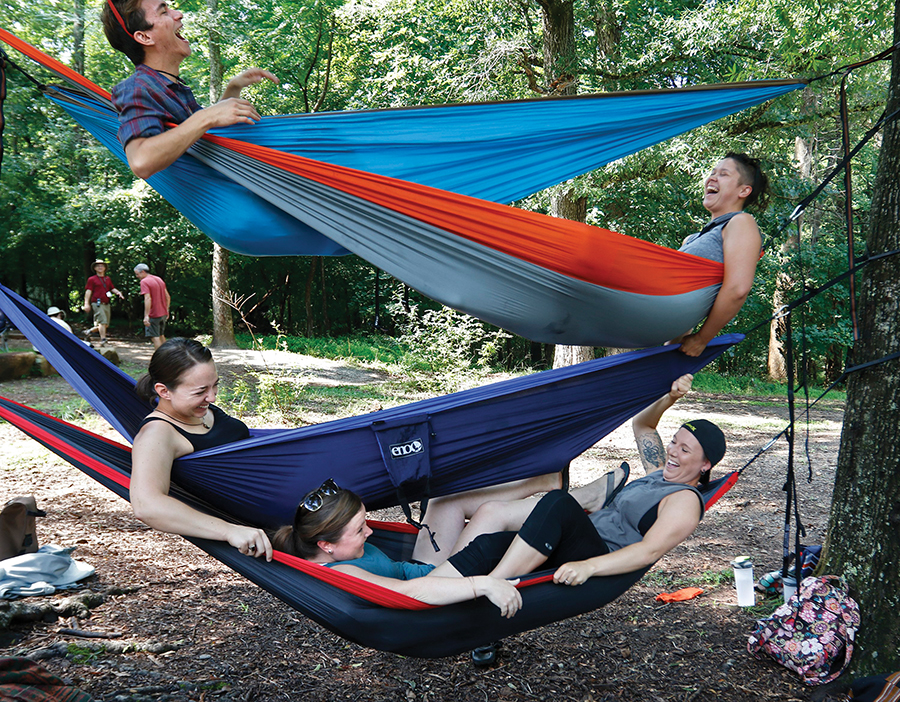
 

Festival for the Eno

The granddaddy of music festivals in the Triangle, Festival for the Eno dates back to 1980 and happens on the grounds of Durham’s West Point Park. Started as a fundraiser for the Eno River Association, the festival — which also offers a craft and food market — has hosted a who’s who of Americana-adjacent and roots artists including Emmylou Harris, Doc Watson and Loudon Wainwright III. Recent years have featured rising regional acts including Mipso, Rainbow Kitten Surprise and Indigo De Souza.

July 1 and 4, Durham; enofest.org


Mountain Dance and Folk Festival 

Reputedly the first event in America to be called a “folk festival,” Asheville’s Mountain Dance and Folk Festival was founded in 1928 by the folk music legend, Bascom Lamar Lunsford. It remains the longest continuously running folk festival in the country, and it’s as much about the folk dance traditions of Western North Carolina as the music.

Aug. 3 – 5, Asheville; folkheritage.org


Earl Scruggs Music Festival 

A newcomer to the North Carolina festival circuit, the Earl Scruggs Music Festival debuted last year at the Tryon International Equestrian Center in Mill Spring. As you’d expect for a festival named after the man who invented the three-finger style of bluegrass banjo, the lineup trends toward classic bluegrass and Americana.

Sept. 1-3, Mill Spring; earlscruggsmusicfest.com


John Coltrane International Jazz and Blues Festival 

Although he made his mark as an artist elsewhere, John Coltrane was born and raised in Hamlet, North Carolina. He was one of the towering figures of 20th century jazz, a key collaborator with Miles Davis, Duke Ellington and his fellow North Carolina native Thelonious Monk. The John Coltrane International Jazz and Blues Festival has been paying tribute to his legacy every Labor Day weekend since 2011 with solid lineups — 2022 featured trumpeter Chris Botti, singer Patti LaBelle and saxophonist Kirk Whalum, among others.

Sept. 2 – 3, High Point; coltranejazzfest.com


Hopscotch Music Festival

Downtown Raleigh has a well-earned reputation for doing music festivals right, and one of the events that helped pave the way is the alternative-slanted Hopscotch. Originally started in 2010 under the auspices of the Indy Week newspaper, it showed off Raleigh’s walkable grid of downtown nightclubs and outdoor stages to fantastic effect. Past headliners have included Flaming Lips, The Roots, Solange Knowles and St. Vincent. Hopscotch director Nathan Price reports that this year’s model should feature “an expanded lineup closer to pre-COVID size.” Here’s hoping.

Sept. 7 – 9, Raleigh; hopscotchmusicfest.com


North Carolina Folk Festival 

In 2015, the National Council for the Traditional Arts brought the long-running National Folk Festival (which has been around since 1934) to Greensboro for a three-year run. It was such a success that, after the national festival’s Greensboro run ended, the city opted to keep it going as the rebranded North Carolina Folk Festival. Last year’s lineup was typically eclectic, featuring everything from George Clinton’s P-Funk All-Stars to the Winston-Salem Symphony String Quartet. Expect more of the same in 2023.

Sept. 8 – 10, Greensboro; ncfolkfestival.com
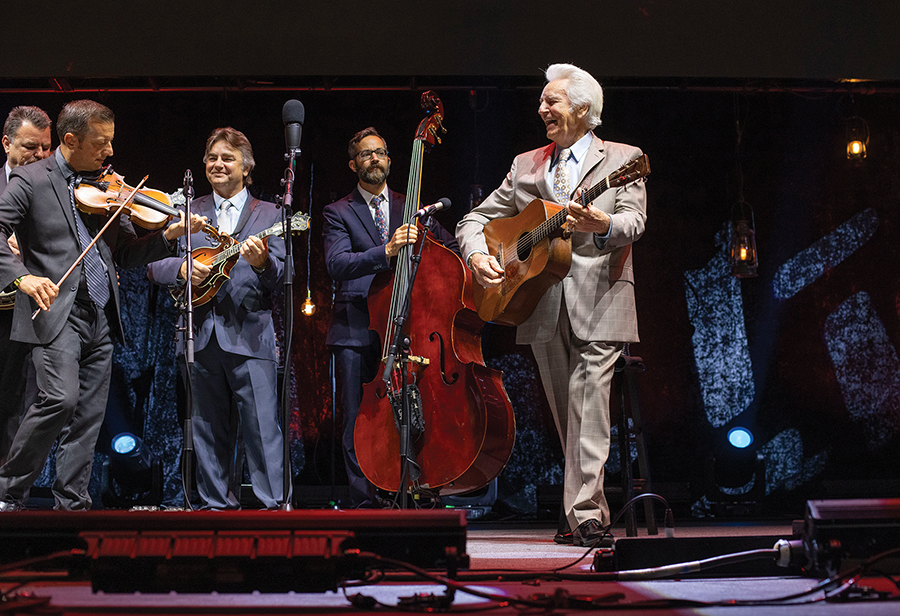
 

World of Bluegrass 

The International Bluegrass Music Association moved its annual business convention and festival to Raleigh in 2013, where it has been a huge success. Between the convention, trade show, “Bluegrass Ramble” nightclub showcases, awards show and street festival, total attendance can top 200,000 when the weather’s good. Past headliners have included Steve Martin, Alison Krauss, Béla Fleck and just about every notable picker and singer in the genre. Year in and year out, it’s downtown Raleigh’s biggest music festival.

Sept. 26-30, Raleigh; worldofbluegrass.org


That Music Festival 

Sponsored by Raleigh’s Americana/roots radio station, That Station, 95.7-FM, That Music Festival made its debut in June 2022 at Durham Bulls Athletic Park with an all-North Carolina lineup featuring American Aquarium, Steep Canyon Rangers, Mountain Goats, Rissi Palmer and more. The sophomore edition is tentatively scheduled for October, most likely in Durham again.

October, Durham; thatstation.net/that-music-fest


Annual Bluegrass Island Music Festival 

Music lovers will be flocking to the Outer Banks, beach chairs in hand, for the 12th Annual Bluegrass Island Music Festival October 19-21 held at the Roanoke Island Festival Park overlooking miles of the pristine waters of Roanoke Sound. Buy your tickets and book your lodging well ahead of time. Acts this year include The Goodwin Brothers, Seth Mulder & Midnight Run, Rhonda Vincent & The Rage, Po’ Ramblin’ Boys, Leftover Salmon, The Kody Norris Show, Thunder & Rain, AJ Lee & Blue Summit, The Kitchen Dwellers, The Steeldrivers, Darin & Brooke Aldridge, Breaking Grass, Tim O’Brien and the incomparable Sam Bush. 

October 19-21, Manteo; bluegrassisland.com  PS